Showing posts with label #CameosFromZion. Show all posts

Friday, August 31, 2018

Tel Aviv Port: Top Attractions that you shouldn't miss

A day at the Tel Aviv Port: Tel Aviv Port's top attractions
Take a break from the beach and enjoy the coastline portside on the bustling boardwalk of the Tel Aviv Port


©

While the Jaffa port has been around since the start, Tel Aviv has developed a newer northern attraction at the opposite end of the sandstrip. During the day, Namal Tel Aviv (the Tel Aviv Port) is surrounded by action: Tel-o-fun bikers on their way to Park HaYarkon, shoppers enjoying the outlet overload, families waiting in line for weekend brunch, and friendly fisherman catching their own. At night, the area’s hangars transform into Tel Aviv’s most happening nightlife scene, hosting crazy parties, community events, and all-night Jazz jams. Come see for yourself at the city’s trendiest hotspot.


Shopping, Markets and fairs
Indoor Port Market
Old North


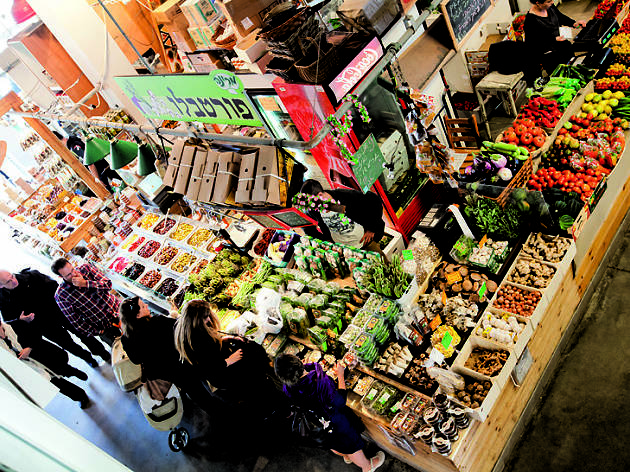
Like San Francisco’s Ferry Plaza and Barcelona’s Boqueria, Israel’s latest market is an indoor offering of the freshest ingredients peppered with live demonstration cooking stations and upscale, fresh food eateries. Be sure to indulge in the handmade pasta bar.
Read more



Theater, Performing arts space
Hangar 11
Old North


After years in the business and hundreds of performances by leading artists, Zeev Isaac had a vision. As one of the most prominent producers in Israel and internationally, he wanted to create a venue appropriate for all kinds of events, from cultural to private and business. Hangar 11 is the product of his dreams. With video projection and some of the most advanced sound and lighting systems in the Israel, the multi-disciplinary venue hosts a wealth of events year round. In addition, a well-trained staff provide meticulous service to create the perfect evening, no matter the occasion.


Attractions
Tel-O-Fun (Green Rental Bike)
Park HaYarkon


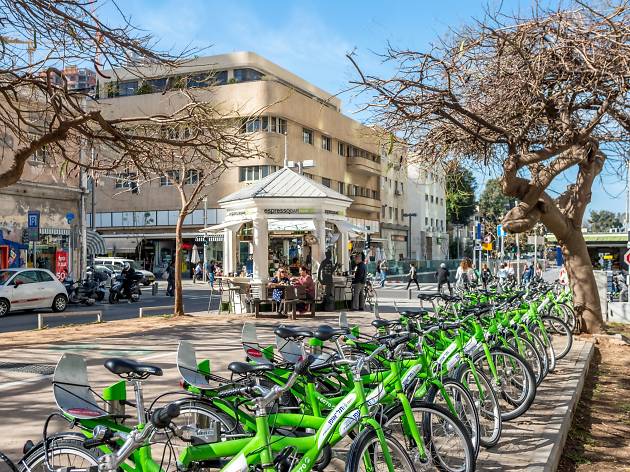
Ever dreamed of experiencing the chaotic roads like a true Tel Avivian? Well, now you can with these green machines. Tel-O-Fun bicycles are modern, safe, 3-speed bicycles located throughout Tel Aviv. The perks of this green energy alternative are that the user can purchase the bike for varying periods of time and can return the bike to any location in Tel Aviv. Not only that, after purchasing an extremely affordable day-pass, the first 30 minutes are free! As Tel Aviv is highly accessible by bike, the Tel-O-Fun program is an awesome way to explore the city while living like a local. From day to week passes, this ingenious program grants you the freedom and fun of having a bike without the worry of bike theft. So grab one of the signature green bikes and ride along Tel Aviv’s warm and stunning coastline over to Park Hayarkon for an afternoon of exploring.


Restaurants, Mediterranean
Kitchen Market
Tel Aviv Port


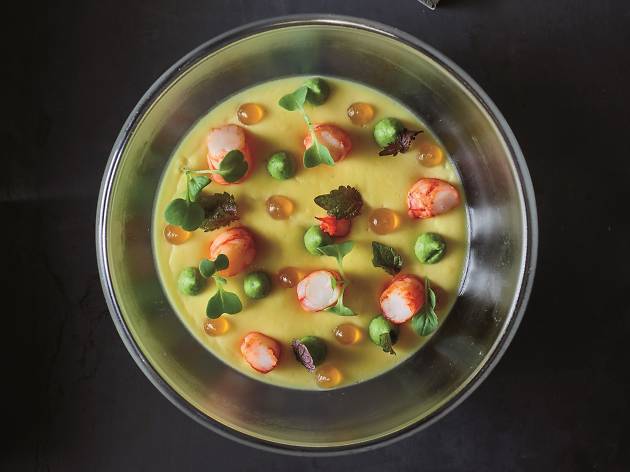
Located in the Tel Aviv port's indoor market, Kitchen Market offers gorgeous views of the water while dining on creative food with excellent ingredients, conveniently, from the market. Enjoy one of the top spots on the city here while indulging in contemporary Israeli food brimming with creativity. This is harmonious food that surprises and soothes at the same time.



Theater, Performing arts space
Beit HaYotzer (Tel Aviv Port)
Tel Aviv Port


Hangar 11’s got challah bakes, business affairs, and commercial events; Hangar 13’s got jazz and blues; Hangar 22’s got Beit HaYotzer. This small and intimate performing arts space is a hopping venue for the hottest musicians in town. Putting on concerts by international and local musicians, Hangar 22 sends music blasting through the port and into the waves of the Mediterranean all night long. Buy your tickets to the next show, head down to the port, and wait in line for a unique musical experience.
Read more



Shopping
Comme il faut
Tel Aviv - Jaffa

Comme il faut is comprised of a fashion house, women’s only spa, and chef's restaurant located at the Beit Banamal (Home in the Harbor) complex at Tel Aviv port, that offers a women's venue for culture and entertainment. Sybil Goldfiner founded the company together with Carole Godin 22 years ago, as a business by women for women. The company seeks to advance women in Israeli society by developing and cultivating feminist awareness. The approach that guides the company's activities is that a garment is not only a garment, but is also part of an entire gamut of political actions that are motivated by a cultural-critical worldview. The designers at comme Il faut believe that a piece of clothing truly resembles the way in which it was produced, the body image it carries, and the way we choose to advertise and display it. Moreover, the clothing article will always signify the values that inspired its creation.


Theater, Performing arts space
Reading 3
Tel Aviv Port


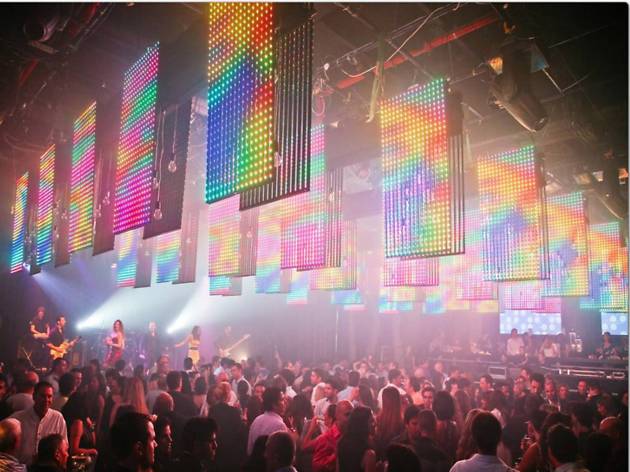
Get ready for bright lights, booming stereos, and 980 square meters of all-night fun. With the most advanced sound and lighting systems out there, Reading 3 is the perfect venue for local and international artists. On top of its three platforms, the space offers kosher catering and premium bar service fit for any occasion. Located in the bustling north Tel Aviv port, in just five short years, Reading 3 has risen to be a leading event space for private business events , launches and parties. Book your next gathering with the best in the industry for an experience you’ll be talking about for years.


Bars, Lounges
Shablul
Tel Aviv Port


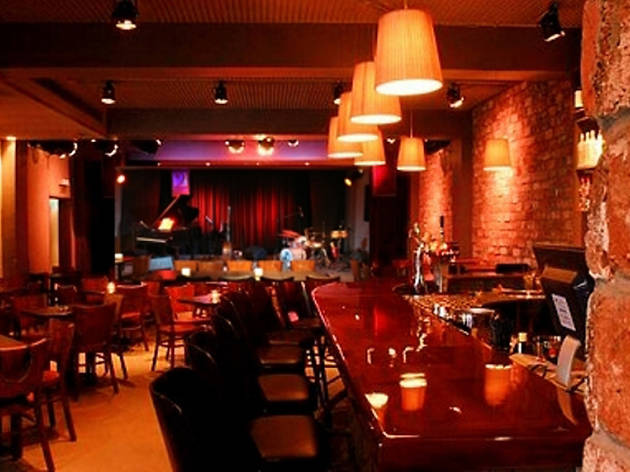
The same spot that reverberates with the exuberant tones of veteran jazz and blues artists like Lazer Lloyd, also resonates with the funk, ethno-jazz and hip-hop tapestry so many Tel Aviv musicians are known for. Grab a trumpet and toot your own horn because this little gem at the heart of Tel Aviv’s port is open seven days a week.


Art, Galleries
Art Market Tel Aviv
Tel Aviv Port

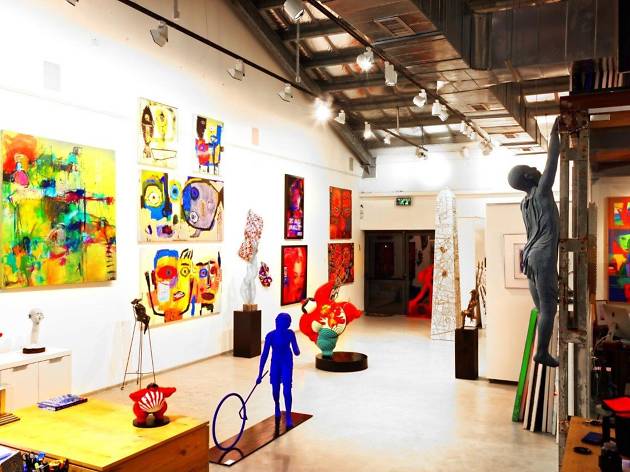
As you step inside the Art Market Tel Aviv’s colorful, spacious showroom, you’ll leave Tel Aviv and enter Soho, New York. The inviting gallery space in the Tel Aviv Port is part of the Bruno Art Group and nearly a century old. With an extensive collection including works by emerging and acclaimed artists, both Israeli and international, the gallery sells works at a wide range of prices, so you don’t need to be a mogul to pick up a piece for your living room.


10
Restaurants, Seafood
Sherry Herring
Tel Aviv Port


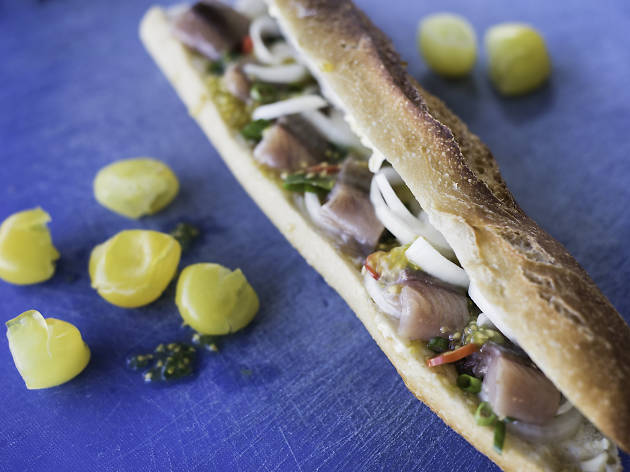
Located in Shuk HaNamal, the Sherry Herring sandwich kiosk shares views of the beautiful Tel Aviv port. Chef Sherry Hansky crafts delicious creations in front of your eyes using local ingredients. Perfectly seasoned, golden baguettes envelop fresh fish, juicy vegetables, cream and butter at this gourmet sandwich shop. This ready-to-go meal is quick and tasty, offerIng a fresh take on fast food and making it the ideal stop for a lunch break - plus, it's rIght next to a wine shop, makIng it easy to craft the perfect picnic using the delicacies at Sherry Herring.


11
Bars, Cocktail bars
Shalvata
Tel Aviv Port


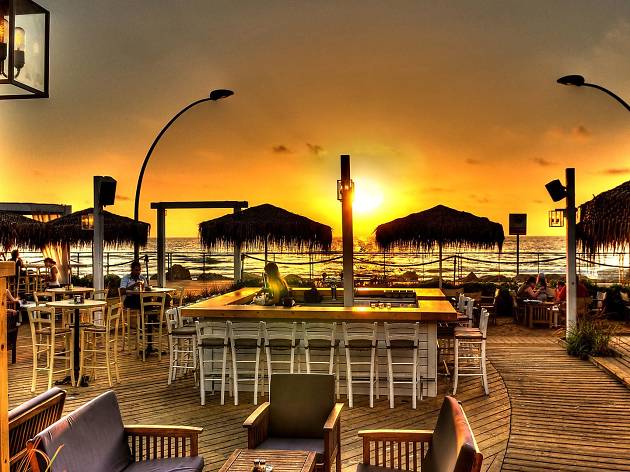
Overlooking the Mediterranean waters of Tel Aviv's Port, known to the locals as “The Namal,” this lush, chic and inviting open-plan bar is celebrated for its distinctive choice of beats amidst the bewitching sea breeze. Head down for an afternoon beer that will surely turn into an evening cocktail. Sunset to sunrise, Shalvata has you covered.

12
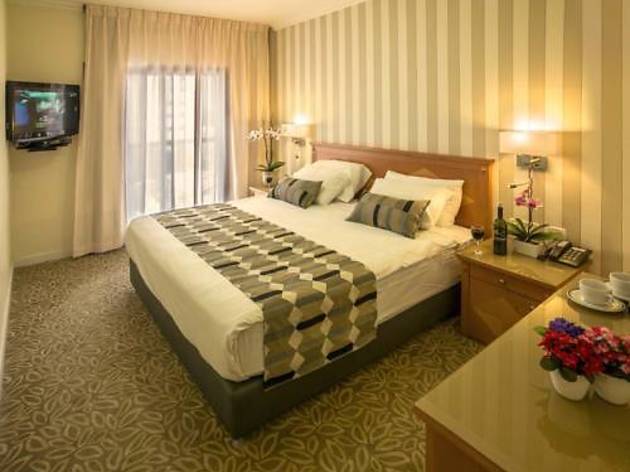
Hotels
Armon Hayarkon Hotel
Old North


Armon Hayarkon is just a few steps from Metzitzim Beach and a 5-minute walk from Tel Aviv's Namal nightlife district. It offers free Wi-Fi and wired internet.Guest rooms at the Armon Hayarkon Hotel are modern and spacious. Each comes with air conditioning and cable TV. Breakfast is a varied buffet.The hotel is located on Tel Aviv's exclusive Hayarkon Street, and the old port is just a few metres away. The area is full of restaurants and shops.


13

Attractions, Parks and gardens
Levant Fair
Tel Aviv Port


During its inception in 1932, Levant fair attracted six hundred thousand people, which was three times the population of the Jewish community in the country at that time. Unfortunately, during the second World War, it lost its glam and was neglected. However, in 2011, "Atarim" took the fair under its wing and began some much-needed rehabilitation, renewing the compound to a bustling cultural center for entertainment and commerce. Today, the compound is rife with designer boutiques, lifestyle shops, restaurants, cafés and even an amphitheatre for live performances. With plenty of shopping and activities, Levant Fair is back and better than ever.

Friday, July 20, 2018

Venetian Chicken Pasta with Pinenuts, Rosemary and Sultanas


This Venetian Chicken pasta with Pinenuts, Rosemary and Sultanas is a rich and delicious pasta dinner; just grab a supermarket rotisserie chicken and follow our top tips for creating this fabulous dinner in under half an hour.


The sauce in this Venetian chicken pasta is rich and sticky from the chicken juices whilst the sweet sultanas work amazingly with the woody fragrant rosemary. This dish is a comforting yet different chicken pasta.

If you have time you can roast up your own chickens, it will be outstanding, but for a normal mid-week meal a store bought rotisserie chicken and a few short cuts will still give you a delicious dinner. The recipe below is for a store bought chicken, but check the notes for adapting this recipe.


When you buy a rotisserie chicken, if any juice/jelly has collected in the bottom of the container/bag, reserve that. It will be packed with flavor and also gelatin that will help to thicken the sauce.

A chicken stock cube is melted into butter and with the help of some pasta cooking water, it recreates the wonderful juices you get from a roast chicken.


Serving Suggestions:

Side: The roast chicken juices in this pasta make it perfect for serving with a slice of ciabatta to soak up any remaining sauce. However as the pasta is quite rich, we would suggest a single slice of bread and a crisp green salad.

Wine: The sweet sultanas in this dish and the deeply savoury chicken make it an interesting dish to pair wine with. We like the slightly unusual pairing of a Viognier, The complex flavors balance the sweetness and umami elements in this chicken pasta.
For red wine lovers a pinot noir would be a great choice.


Venetian Chicken pasta with Pinenuts, Rosemary and Sultanas
This Venetian Chicken pasta with Pinenuts, Rosemary and Sultanas is a rich and delicious pasta dinner; just grab a supermarket rotisserie chicken and follow our top tips for creating this fabulous dinner in under half an hour.
Course Main Course
Cuisine Italian
Prep Time 10 minutes
Cook Time 15 minutes
Total Time 25 minutes
Servings 4

Ingredients

1 rotisserie chicken
12 oz pappardelle (340g)
1 tbsp butter
1 tbsp olive oil
2 chicken stock cubes
3 rosemary sprigs
1/3 cup sultanas
1/4 cup toasted pine nuts

Instructions
  1. Start with the chicken.
  2. Strip the meat from the rotisserie chicken and set to one side.
  3. If any juice has collected in the rotisserie chicken packet, set this aside with the chicken.
  4. Bring a large pan of water to a boil, salt it well and add in the pasta.
  5. Set the timer for 1 minutes less than the packet suggests.
  6. Whilst the pasta is cooking, melt the butter together with the oil.
  7. Crumble in the stock cubes and let them bubble gently together.
  8. Add in the chopped leaves of the 3 rosemary sprigs and then take 1 cup of water from the pasta pan and add it to the butter mixture.
  9. Add the sultanas to the mixture and reduce the heat down to a low simmer.
  10. When the pasta has cooked, reserve a jug of the cooking water.
  11. Drain the pasta and add it to the butter and chicken stock.
  12. Stir in the chicken meat (plus any reserved juice) and 1/2 cup of the reserved water.
  13. Cook over a low heat until the pasta is well coated and the chicken has heated through.
  14. Add more cooking water if needed.
  15. Serve topped with the toasted pine nuts.

Saturday, June 3, 2017

Mr. and Mrs. Lee Not kosher 10 Nissim Aloni, Tel Aviv Tel: (03) 744-4345

Image result for Mr. and Mrs. Lee
Mr. and Mrs. Lee takes Asian cuisine to a high level.

Located in the heart of North Tel Aviv, in the G Tzameret boutique mall, Mr. and Mrs. Lee is definitely a cut above your typical Asian restaurant.

It is run by chef Shaul Ben Aderet of the Blue Rooster (next door on the same floor). Patrons are greeted by a welcoming ambience, modern decor and a spacious dining room, including an outdoor terrace with a long bar.

Menus were handed to us, glasses of water were filled, and we started going through the options in an attempt to narrow down our choices. Deciding on what to order was really difficult. The menu was huge, and everything looked appetizing. As always, I made sure to over-order to ensure that I could try as many items as possible in one sitting.

While waiting for our dinner, we started off with some interesting and cocktails. I particularly enjoyed the Sanche, a blend of tequila, mango and yuzu, which was served along with a small bottle of lemon juice infused with a large red chili pepper.

We began our meal with the steamed lamb buns (NIS 54) with fried shallots and Korean vinaigrette.

The buns were light and fluffy, while the lamb was nicely grilled, partially fatty and tender.

Next up was the crispy chicken spring roll (NIS 49) with mint, cucumber, kaffir lime and Thai chili sauce. The rice paper was not thick (better for frying) nor too thin (breaks apart too easily) but just the right consistency to hold everything together. The dipping sauce was exceptional, perfectly balancing savory and sweet.
Image result for Mr. and Mrs. Lee
The sushi pizza (NIS 56), the restaurant’s signature dish, gets points for being fun. The crust was made of deep-fried rice and was topped with salmon, avocado, mushrooms and cherry tomatoes. I enjoyed the pairing of textures, but the overall taste of the dish fell a bit short. In the end, we preferred the sushi rolls. The rainbow roll was tasty and very pretty to look at.
Related image
After a bit of a breather, we were served the Thai chicken curry (NIS 74). The curry was delectable and fragrant, infusing the chicken and vegetables with that deep earthy flavor that I love in a masterful curry. The texture was not too watery nor too thick, just right.

The dish definitely had a kick but was not overpowering.

Next up was the homemade noodles (NIS 82), which consisted of stir-fried egg noodles with beef fillet cuts, vegetables, sweet soy and Thai chili. As I savored each bite, I marveled at the texture of the noodles and the flavor of the sauce. The beef was thinly sliced and nicely charred.

Last, we tried the crispy chicken (NIS 89) in soy-honey and ginger.

The chicken was very crisp on the outside but moist and delicious on the inside.

When I didn’t think that I could take another bite, they brought out dessert. We somehow managed to polish off the frozen creme brulee. Absolutely great.

Overall, Mr. and Mrs. Lee is great place to sit, relax and enjoy good food and good company.


Breakfast and Brunch at Market House Hotel Address: Beit Eshel St 5, Tel Aviv-Yafo Phone: 03-797-4000

Image result for Jaffa’s Market House Hotel

Built on the ruins of a Byzantine chapel, this stylish boutique hotel is a 2-minute walk from Jaffa Flea Market, 4 minutes' walk from the nearest beach and 5 km from the Tel Aviv Museum of Art.

Sophisticated rooms with chic tile bathrooms come with free Wi-Fi, flat-screen TVs, minifridges, and tea and coffeemaking facilities. Many rooms include balconies, some with sea views.

A complimentary breakfast buffet and evening cocktails are served in a funky, industrial-chic lounge and dining area. Bike rentals are available.


Jaffa’s Market House Hotel. (photo credit:PR)

The upscale Atlas boutique hotel chain boasts one property in Jaffa, the Market House Hotel, on the fringe of the Flea Market. The expertly refurbished building was built on the ruins of a Byzantine chapel, which can be viewed through the lobby’s glass floor. Twice a day, for breakfast and a light dinner, part of the lobby is transformed into a dining room, which from 7 a.m. to noon is accessible to anyone who wants to partake of the hotel’s morning buffet.

What was impressive about the breakfast buffet was not its size, since at first glance it looked quite small, but the amount of food that could end up on your plate in an endless procession from the limited display area to your table. And this all-you-caneat feast is priced at NIS 80 per person.

It doesn’t take long to scope out the entire buffet, but it is definitely worthwhile investing a minute or two surveying it all before digging in. For example, we only discovered the hot food buffet – featuring flaky cheese and spinach burekas – after filling our plates as a result of making a first pass at two groaning sideboards.

The first thing that caught our eye on the buffet were the breads, thanks to French baguettes standing tall in their container. They marked the spot for an array of fresh, crusty breads that included a rustic round loaf, one studded with black olives, and a basket of ciabatta rolls, including multigrain seeded rolls. According to the hotel manager, the breads come from the supply bakery Lahma, which delivers the breads 90 percent frozen, so they can be warmed up and taste like justbaked even on Shabbat morning, despite kashrut restrictions.

Asian Deli Not kosher 15 Habanim Street, Hod Hasharon Tel: (09) 899-2555


Now entering its third year, Asian Deli offers dishes from Thai, Chinese, Vietnamese and Japanese cuisines, in a decor accented by Oriental esthetics, from the stylish ceramic plates to the substantial chopsticks, nicely scented towelettes and even the packaging of the flavored green tea sachets.

The English food menu is not updated as frequently as the Hebrew one, so it is missing the lone reference to the house cocktail and still mentions duck, which is no longer available. But it is generally reliable, with symbols indicating which dishes are vegetarian/vegan.

A popular appetizer is the pop shrimps (NIS 49) – fried popcorn shrimp atop a pile of shredded lettuce, served with two dipping sauces. The tiny shrimp were breaded and fried to crispy perfection. After trying each sauce, I ended up combining the two, thus discovering the level of complex spiciness I liked best.

One example of Asian street food gaining popularity in Israel is bao (NIS 33-45) – small sandwiches made with steamed bread. At Asian Deli, what the menu calls “buns” are two dainty sandwiches served on a bamboo skewer; and there is a nice choice of fillings. We tried the fish tempura, which was heavy on the mayo – although I didn’t mind, as it was a pleasant Japanese version. Still, the light and airy buns stole the show. It is likely something that kids would enjoy if the restaurant’s children’s meals do not appeal.

There was one Ramen dish on the menu, starring chicken as the featured protein (NIS 53). The rich broth was replete with thick noodles, fresh mushrooms and chicken breast strips that were moist and flavorful. A veritable meal in a bowl.

The same can be said for the Tom Yam soup (NIS 69), which was a feast for the eyes as well as the palate. The practically overflowing bowl of the pungent Thai classic was studded with seafood – mussels, shrimp and calamari – as well as cherry tomatoes, mushrooms and bean sprouts.

Accompanied by a copious serving of steamed white rice, this was a dish whose pleasant heat continued to suffuse through the body after each spoonful.

Another good option starring the same trio was the seafood curry (NIS 69), an equally generous dish in a red coconut cream sauce that boasted just the right amount of spice.

One of Asian Deli’s beef dishes was the Pad Kapao (NIS 59) – ground beef and vegetables in a mild sweet and spicy sauce, topped with fried egg.

The sauce and yolk seeped into the meat and rice to make an eminently satisfying main course.

It can be a difficult chore to finish all the food here, but one can take leftovers home or order some takeaway.

I discovered that allowing the flavors of the Tom Yam and Pad Kapao to meld further for an additional 24 hours led to another fine dinner the following day.

It is worth saving room for at least one dessert. The creme brûlée (NIS 35), with hints of lemongrass and ginger, was a refreshing bit of sweetness, while the “bun special” (NIS 42) was exactly that: two vanilla ice cream sandwiches fashioned out of toasted Asian buns, covered in blueberry topping and crunchy strips of toasted coconut.

Asian Deli offers a variety of business lunches (until 4 p.m.), ranging from NIS 49 to NIS 89. Given these reasonable prices, this is the kind of place you can try a couple of times until you've found the dishes you want to make your regular choices.


Wednesday, May 17, 2017

Kitchen Bar Kosher 7 Giborei Yisrael, Netanya Tel: (09) 835-6789 Open Sunday to Thursday from noon to midnight


Kitchen Bar in Netanya blends Middle Eastern and European elements beautifully


Kitchen Bar Netanya. (photo credit:PR)

Kitchen Bar in Netanya’s Ramat Poleg is called Bistro Yam Tichoni (Mediterranean Bistro) in Hebrew, a name which much better describes the food and atmosphere of the place. If you didn’t know, you might think it was a café with nothing much to eat and plenty to drink; but in fact, Kitchen Bar is a kosher restaurant offering substantial meals which perfectly blend Middle Eastern and European elements.

This may have something to do with the fact that the owner, Guy Shalev, is half Moroccan on his father’s side and half German on his mother’s. He took over Kitchen Bar a few years ago and made it kosher, and today it is a magnet for Netanya’s many English speakers, as well as native Hebrew speakers. All the staff speak perfect English, and the menu comes in three languages – Hebrew, English and French.

Walking into Kitchen Bar, one immediately gets a friendly welcoming vibe. Soft music plays, the lights are lowered, and candles glow on the wooden tables.

We left the choice of starters to our efficient waitress, who suggested ceviche, cigars and a mushroom and artichoke mix. The ceviche (NIS 42), made from ultrafresh sea bass with diced tomatoes, chopped red onions and coriander, was served on a wooden platter that looked like tree bark. The mushroom and artichoke stew was erved with a coddled Scotch egg, which we felt was superfluous, although the sundried tomatoes added much flavor, as did the basil garnish (NIS 42). The crisp homemade cigars (NIS 48) were of Cuban proportions and filled with small chunks of beef and liver and served with Israeli salad and a smear of very good homemade tehina. All the starters were first class and augured well for what was to come.

For the main dish, my dining companion chose the entrecote steak (NIS 118), which came with a small dish of salsa verde as condiment and ground black pepper around the plate. Piping hot French fries were served separately. He assured me that the entrecote was tender and flavorful, as any good steak should be.

I decided to try a dish which would be more of a challenge to the chef’s skill and chose chicken scallopini (NIS 68). It consisted of tender slices of chicken breast served in a white wine sauce with capers and diced tomatoes. A very generous portion arrived and proved to be delicious. The chicken had absorbed the rich flavors of the wine and the capers, which made the whole dish more piquant than one would have expected.

We felt we must taste a dessert in order to give a balanced view of what is available at Kitchen Bar, so our waitress brought a chocolate bar for us to share. It was rich and decadent – the guilt was exquisite! A generous glass of Gamla red blend (NIS 29) was enough liquid refreshment throughout the meal, and we left the restaurant with a light step and a determination to return to Kitchen Bar very soon.

Tuesday, May 16, 2017

Veneziana in Haifa . Address: Shaar Palmer 2 , Haifa Phone 053-9384434 A returning son brings authentic Italian cuisine to the port city


Veneziana restaurant. (photo credit:PR)

The lower city of Haifa has been undergoing serious gentrification in recent years, and a number of fine dining restaurants and nightspots have opened in the area adjacent to the passenger port, between the city’s railway station and financial district. One of the most recent is Veneziana Bar and Trattoria, helmed by chefowner Aaron Namnah, who recently returned to his hometown of Acre after training in Italy and running award-winning Italian restaurants in Stockholm.

“I could have retired,” Namnah says, “but I am anxious to expose Israelis to real Italian food rather than what passes for it here.”

Namnah has embarked on his mission with what he considers a limited menu, with plans to expand it soon. Still, there is already plenty on the menu to make for an interesting meal.

At first glance, the menu looks like it is in English and Hebrew, until one realizes that it is actually the names of dishes in Italian, while all the details are in Hebrew. Even the wines, which are imported from Italy, are mentioned only in Hebrew, not on a wine list (except for four very expensive ones) but rather as recommended pairings with pasta dishes. Fortunately, the names of most of the dishes will be familiar to diners who occasionally patronize Italian restaurants, and the chef and his wife speak English.

Veneziana has no specialty cocktails, but there is a full bar, and a bartender who can mix most of the classics. The Italian beer Peroni is available on tap.

A meal starts with the house bread, toasted white baguette spread with olive oil and garnished with parsley, along with three homemade dips: a rich pesto, a zesty paprika spread and an excellent black olive tapenade.

Our first appetizer was the carpaccio di manzo (NIS 30), thinly sliced filet of beef with rocket leaves and broad ribbons of Parmesan cheese, drizzled with olive oil and dabs of balsamic vinegar. Taken all together, the ingredients added up to a wonderful interplay of flavors.

Next were the arancini Siciliane (NIS 25) – two large balls of fried risotto in a marinara sauce. The arancini were perfectly fried, with a crunchy exterior and a moist, flavorful interior, oozing droplets of melted cheese.

Our pasta choice was the cannelloni Ripieni (NIS 66), three tubes of pasta stuffed with beef ragout in a bechamel sauce, with smears of pesto. Unusually, the bechamel was enriched with tomato, creating a delectable pink sauce that nicely complemented the hearty and filling baked pasta.

Veneziana’s Caesar salad (NIS 50) was a generous portion of lettuce, croutons and Parmesan cheese, with three surprises: large morsels of chicken breast, which was not listed in the Hebrew description, and cherry tomatoes and sliced onion, which are not generally ingredients in a traditional Caesar salad. Nevertheless, the salad was quite tasty, in a dressing that was perked up with a touch of anchovy.

Our first main course was the costine d’agnello (NIS 115) – lamb chops in a balsamic-infused sauce of dried figs. The succulent chops – which included the rib meat and fat along with the bones – were very nicely enhanced by the exotic sauce. The side dishes were highly seasoned spelt and grilled al dente vegetables: eggplant, zucchini and red bell pepper.

The same vegetables accompanied the gamberoni in padella (NIS 83) – sautéed shrimps in a white wine sauce with cherry tomatoes and mushrooms. The plump, juicy shrimp were delicious – exceedingly fresh and not overpowered by the mild sauce with chunky vegetables, which did much for the plain risotto that came with the seafood.

There were three classic Italian desserts, of which we sampled the tiramisu (NIS 35) and the panna cotta (NIS 26). The former was sweet and frothy, with a nice espresso kick, while the latter thick custard was drenched in an overly sweet berry syrup.

I confess that I am not familiar with the quality of Italian restaurants in the Galilee, but the authenticity represented by Veneziana would be welcome anywhere in the country.

Saturday, May 13, 2017

Sandpaper and silk: texture and flavour perception.How texture can affect flavour perception and the experience of eating.


For the penultimate article in my series on multi-sensory dining, I am tackling texture. This may well be the shortest article of the five because, of all the senses considered in relation to gastronomy, touch (along with sound) is one of the least researched. This is mainly due to the fact that conventional definitions of flavour do not include texture. But how important is the role of texture in experiencing flavour?

Does texture matter?


Let’s start out with something very simple to help us answer this question; what makes a crisp, a crisp? Think of your favourite crisp brand. Flavour will factor into your choice, but is that all that makes them your favourite? For many, it is the size, thickness (or thinness) and the mouthfeel – the crunch in the mouth (which also belongs in the sound domain) – which, along with a particular flavour, make up the characteristics of their favourite crisps. Dare we say the texture, weight (and sound) of the packet itself may even be a characteristic which endear us to our favourite brand?

Think about throwing all the elements of your next Sunday roast in a blender before serving it to your family and friends. If texture was irrelevant to flavour, those beautiful crispy potatoes, rare beef, perfectly cooked vegetables and home-made gravy would be just as delicious after a good blitz. Clearly we have certain associations, perceptions and preferences for the physical attributes of food which go beyond just how they look and taste.

So far so simple. Everything I have mentioned above is hardly mind blowing, nor is it really that experimental, but it is important to highlight the role that texture plays in the simplest terms. I’m now imagining that perfect crème brûlée with a glass-like sugar disc waiting to be shattered into velvety custard. The texture is a big part of what makes it a great dish – a disappointing top equals dissatisfaction.

The contrast between the caramel disc and custard proves how important texture is.

For one subject, chicken was only ready to serve when it felt 'pointy'.

Synaesthesia


When researching for our last dining concept, Synaesthesia by Kitchen Theory, I read a book by Dr Richard Cytowic (who collaborated with us in the development of the dinner) and I came across research on a synaesthete called Michael Watson. This man was unique; as well as other interesting forms of synaesthesia, he had a very interesting and rare form in which foods in his mouth generated actual tactile sensations in his hands! As he ate food, he would feel different shapes, weights and textures in the palm of his hand. Watson had different tactile sensations for all kinds of tastes – spearmint, for instance, gave him a feeling of running his hand along a tall, cool column of glass or marble and chicken was only ready to serve once it felt ‘pointy’, like placing his hands on a bed of nails. This obviously got me thinking about this link between taste and external tactile stimulation and I turned to science to explore this link further.

Here’s a question for you: do rough textures such as sandpaper match better with salty, bitter notes or sweet, creamy notes? And how about soft textures such as velvet? Which of the tastes mentioned would they work with? For most people, it makes sense that rough textures match salty/bitter notes and the softer textures correlate to sweeter/smoother notes. The question now becomes: can external tactile stimulation in the hand actually accentuate a diner’s perception of different notes in a dish?

Marinetti’s cubes

Marinetti's cubes.


To test this concept, we developed a dish intended as an homage to Filippo Tommaso Marinetti. Marinetti is known best as the author of the Manifesto of Futurism which he wrote in 1909 and The Futurist Cookbook published in 1938. What made futurist cooking so revolutionary was that it drew on food as a raw material for art and cultural commentary reflecting the futurist idea that human experience is empowered and liberated by the presence of art in everyday life. Marinetti saw food as the ultimate promise of optimism – a gateway to sensual freedom. He also very much advocated the idea that guests should run their fingers over various textures in order to augment the mouthfeel and even flavour (and intensity) of the elements in a dish. This inspired our Marinetti Cubes which are black (to remove colour cues); seven inch cubes with each of the sides covered in a different textured material – natural wood, velvet, plastic, Velcro (both sides), and sandpaper.

Amazingly enough we found that some of our guests did genuinely perceive differences in the taste and mouthfeel of the dish, based on the textures they ran their fingers over on the cubes. The textures affected around twenty percent of our guests, five percent of whom had pretty strong reactions (which include the guest who got ‘cotton mouth’ from touching the fuzzy side of Velcro; a table of two who couldn’t stop commenting on how much saltier the dishes became once they touched the sandpaper and my favourite, the guest who had to touch the velvet side of the cube to get through one particular dish because she felt the rough textures made everything too crunchy and noisy!) We are so interested in this idea that we have included the texture cubes in our latest experimental dining concept Mexico by Kitchen Theory.

Wider implications

Plenty of chocolate companies use silky textures in their television and print ads to plant the idea in our minds that their product is smooth, creamy and sweet. This is just taking that concept to a more physical level.


Jozef Youssef


If tactile sensation can be used to enhance taste and flavour, there could be practical applications. How about channelling this research towards our growing concern with high sodium levels in processed foods. Given the ability of rougher textures to enhance saltiness in a dish, simply eating with a slightly grainy textured spoon might allow us to reduce the salt in our diet without even noticing its absence. Could we find a way to cut back on sugar using a similar idea? Silk-covered chocolate mousse pots, for example. Plenty of chocolate companies use silky textures in their television and print ads to plant the idea in our minds that their product is smooth, creamy and sweet. This is just taking that concept to a more physical level.

Crockery and cutlery


Also on the topic of texture, let us not forget our cutlery, crockery and glassware. Does a Michelin-starred meal taste better with heavier cutlery? Apparently so. The team at the Crossmodal Laboratory in Oxford conducted an experiment with more than 130 diners at a hotel restaurant in Edinburgh. The results showed that simply using high-quality cutlery normally reserved for banquets resulted in customers willing to pay fifteen percent more for their food, compared to people eating the same meal with lower-quality utensils. And as for glasses, just think about how much more pleasant a good wine, Scotch or brandy tastes out of the right glassware.

Kitchen Theory at home


Much of what I have discussed in this article is intuitive, but it is worth paying a little more attention to textures when cooking and entertaining at home. Here are some ideas for bringing texture into your own kitchen.

Food


Textural balance on the plate is vital. Think of that perfect crisp caramelised sugar on the crème brûlée, the charred surface of a roasted piece of meat with a smooth creamy mash and slow roasted garlic, a crusty piece of country bread with a soft French cheese and a chunky fig chutney. Be mindful of the balance of textures within each dish in order to stimulate and pique your guests’ interest at different points within the course. Baked or fried fish, chicken or duck skin is perfect for adding crispy texture as are baked Parmesan or chia crisps and dehydrated purées.

Linen


Introduce a variety of fabrics with tablecloths and napkins. Perhaps try different textured napkins to accompany different courses?

Plates


Smooth, round, ridged, angular; what best fits the dish you are serving on it? For example, rustic, Nordic-style dishes look great on a piece of bark.

Cutlery


Research would suggest heavier is better! But bear in mind there needs to be continuity, your nice minimal crockery may not look great with clunky, heavy cutlery.

Texture cubes


Take a leaf out of our book and fabricate your own version of the texture cubes. Even different swatches of materials stuck on a small card could potentially work. The point is to give guests something to play with and see if you get any reactions. This isn’t an exact science… yet!

Count Stephen Darori's Lemon Curd Recipe

 Easy and a wonderful Pesach gift


Curds are a dairy product obtained by coagulating milk in a process called curdling. The coagulation can be caused by adding rennet or any edible acidic substance such as lemon juice or vinegar, and then allowing it to sit. The increased acidity causes the milk proteins (casein) to tangle into solid masses, or curds. Milk that has been left to sour (raw milk alone or pasteurized milk with added lactic acid bacteria) will also naturally produce curds, and sour milk cheeses are produced this way. Producing cheese curds is one of the first steps in cheesemaking; the curds are pressed and drained to varying amounts for different styles of cheese and different secondary agents (molds for blue cheeses, etc.) are introduced before the desired aging finishes the cheese. The remaining liquid, which contains only whey proteins, is the whey. In cow's milk, 80% of the proteins are caseins.


Preparation timeless than 5 mins
Cooking time10 to 30 mins

Serves
Makes one 500g/1lb 2oz (large) jar or two 250g/9oz (small) jars

Homemade lemon curd is quick and easy and so much more mouthwatering than the shop-bought variety. Nice to spread on matza and makes a wonderful Pesach present in Zion.

Ingredients
4 unwaxed lemons zest and juice
200g/7oz unrefined caster sugar

100g/3½oz unsalted butter cut into cubes
3 free-range eggs, plus 1 free-range egg yolk

Method

Put the lemon zest and juice, the sugar and the butter into a heatproof bowl. Sit the bowl over a pan of gently simmering water, making sure the water is not touching the bottom of the bowl. Stir the mixture every now and again until all of the butter has melted.

Lightly whisk the eggs and egg yolk and stir them into the lemon mixture. Whisk until all of the ingredients are well combined, then leave to cook for 10-13 minutes, stirring every now and again, until the mixture is creamy and thick enough to coat the back of a spoon.

Remove the lemon curd from the heat and set aside to cool, stirring occasionally as it cools. Once cooled, spoon the lemon curd into sterilised jars and seal. Keep in the fridge until ready to use.

Recipe Tips

To sterilise jars, wash the jars in very hot, soapy water or put through the hot cycle of a dishwasher. Place the jars onto a baking tray and slide into an oven set to 160C/325F/Gas 3 for 10-15 minutes.


Fryda Shamelstoch Baker's Kosher Challah Bread: Easily-Sliceable & Gluten-Free


Gluten-free baking can be an exercise in frustration, but this bread recipe has never let me down. For me, the success is in the texture. As you can see, it has plenty of aeration which lends it some of the fluffiness of real bread.


It freezes well, so you can slice it, freeze in a zip-top bag, and take out as needed. It toasts well, and although it is more fragile than regular wheat bread, it does a good job of holding up toppings (see pictures).


If you're unfamiliar with gluten-free bread, be aware that it has more of a batter consistency and cannot be shaped or braided. For challah, some people like to use the silicone moulds, which gives it the appearance of a braided loaf, but in my experience cakes and breads do not bake well in silicone. Since I prioritize taste and texture over appearance, I simply pour the batter into loaf bans and bake as such. It might make for non-traditional challah, but hey, gluten-free challah is non-traditional to begin with. And if you're using this for breakfast toast or school lunches, loaf pans make for neatly sliced sandwich bread.


batter/dough before rising


batter/dough after rising


Recipe adapted from Barefeetinthekitchen.com


Since this bread is made with liquid other than water, it is considered pat haba bekisnin, over which the blessing of mezonot is normally said. When this bread is eaten as the basis of a meal that is at least the size of four eggs (approximately 8 oz.), it takes on the status of bona fide bread, warranting washing, hamotzie and a full afterblessing.

Two unsliced loaves of this bread can be used as challah for the Shabbat meal. If you will be eating the abovementioned size, treat it exactly like bread made of flour and water. If not, skip the pre-meal washing and make the blessing of mezonot instead of hamotzie, and say the appropriate (truncated) afterblessing following your meal (this follows the final decision of the Alter Rebbe that mezonot can constitute the two loaves of the Shabbat meal).
Ingredients:
2 cups brown rice flour
2½ cups oat flour (look for oat flour which is certified gluten free)
1⅓ cups potato starch
⅔ cup tapioca starch
2 tsp. dry yeast
2 tsp. salt
2½ tsp. xanthan gum
1½ cups unsweetened soy or almond milk
⅔ cup honey
½ cup oil
6 eggs (+ 1 egg for the egg wash)
sesame seeds (optional)
Directions:
Place the brown rice flour, oat flour, potato starch, tapioca starch, yeast, salt and xanthan gum into the bowl of a stand mixer.
Warm the milk and slowly mix it into the dry ingredients. Add the oil and honey and beat until smooth.
Add the eggs one a time, making sure each egg has been fully incorporated before adding the next.
Beat the mixture at high speed for 3-5 minutes. This adds air to the batter, which helps with the texture of the finished loaf.
Cover the bowl with a damp kitchen towel or saran wrap. Let rise for 60-90 minutes. (Note: the batter will puff up but don't expect it to double in size like regular bread dough.)
Gently pour the batter into two loaf pans lined with parchment paper. Smooth the top of each loaf with wet fingers or the back of a spoon dipped in water.
Beat the egg and brush the top of both loaves. Sprinkle with sesame seeds.
Cover the pans and allow the dough to rise for another hour.
Bake at 350°F for 25-30 minutes, until golden brown.
Allow the loaves to cool in the pans for 5-10 minutes, then gently tip out onto a cooling rack.
Only slice the bread once it has fully cooled, or it will fall apart. Freezes well.

Yields: 2 loaves


Print Page

Sunday, April 16, 2017

Ochel Leumi : Zion's National Food and drinks.....Felafel, Schwarma ,Shakshouka, Kebab, Cafe Hafouch, Baklawa, Knafeh,.Nesher ( Malt Beer) and more


It is hard to define Israel's national food.  With a population from very many different countries, every community contributes its own special foods and flavors.  
The Israeli Breakfast is world renowned.  The Israeli breakfast is served includes yogurts, fruits, cheeses, eggs, and salads. The breakfast buffet also includes smoked fish, herring, cereals, a variety of breads, baked goods, pancakes and juices - grapefruit is a favorite.
We've listed some of the most popular foods amongst local Israelis and there are probably three stand-out dishes that are considered Israel's national foods and tourists insist eating them when visiting the country; felafel, schwarma and hummous.
felafelFreshly fried, golden balls of chickpeas blended with traditional Middle-Eastern spices served with salads in a pita; felafel is so popular that we've dedicated an entire article to its preparation and serving.
schwarmaSchwarma: finely sliced, grilled meat - turkey or lamb, grilled on a special schwarma rotisserie and packed into pita bread, traditionally served with onions, parsley and tehina. It can also be served in a "lafa", a flat-bread resembling a large pancake.
humousHummous and Tehina: Hummous is a dip/spread made from chickpeas and served with olive oil and pita. Tehina is a dip/spread made from sesame seeds. Eaten together they are a complete protein. In a restuarant your order of hummous will probably be served with a variety of pickled vegetables (Heb: hamutzim) and olives
hot chips a popular israeli foodIsraelis love hot French fries (known locally as chips).  Not all restaurants serve chips with a steak or burger and you may need to order them separately.  Ketchup is the most common accompaniment to hot chips.  If you enjoy mayonnaise or vinegar with yours, you'll have to ask your waiter.
israeli saladThe traditional Israeli vegetable salad is made of very finely diced tomatoes and cucumber served with a lemon juice and olive oil dressing.  Haloumi, Nicoise, quinoa and every other type of popular salads are available in local restaurants.  Portions are large and  are easily enough for two people.
boerekasBoerekas ares mall savory pastries filled with cheese, potatoes, spinach or mushrooms. Often eaten with hard-boiled eggs and a pickled cucumbers. Boerekas are eaten for breakfast, lunch or dinner.  They are a popular street food.
shakshoukaShakshouka a breakfast food of poached eggs cooked in a tomato based sauce.  Flavored with cumin, chili and parsley, there are many variations of this dish as you will see in our recipe selection
kebab israel popular foodKebab, traditionally a blend of finely minced lamb and herbs and spices, shaped like a sausage and grilled on the fire.  Lamb is  expensive in Israel, so our little trick is to add lamb fat to beef or turkey which imparts the unique flavor of lamb to the meat.
schnitzelSchnitzel from chicken or turkey breast, fried in breadcrumbs, is a very popular meal and children love it.   Eaten on a plate and usually with side-serving of chips, it can also be served in a pocket of pita  with hummous, tehina and salads.
sinta steakIsraelis love steak but it is quite expensive.  You can expect to pay upward of 100 shekels for a steak when you order it in a restaurant.The Sinta or sirloin and the Steak Ayin, the rib-eye steak are the most popular.
baklava baklawaBaklawa is a small, sweet cake made from phyllo pastry and nuts. Pistachio nuts are traditionally used but other nuts are sometimes used. Baklawa are popular across the Levant.  About 1,000 calories a bite!
KnafehKnafeh is a traditional Arab desert made with Ricotta cheese, shredded noodle-like pastry called 'Kadaif' and syrup. Expect to pay  between 10 - 15 shekels for a single serving if you buy if from a market stall. 
black beer
Malt Beer is a black, non-alcoholic malt flavored, Israeli beverage.  In Hebrew it is called "Bira Shechora" or black beer.  Popular local brands of alcoholic beer are Maccabi and Goldstar.  Well known international beer brands are readily available.  The pub price for a local Israeli beer is about  25 shekels.  Alcohol is sold in supermarkets and in specialized stores.  Legal drinking age is 18.
tea with nana
Tea with Nana is weak black tea served with Nana leaves (Eng: mint leaves) and sugar.  Hot water infused with nana is also a popular drink.  When you order tea in a restaurant, you will be served a cup of boiling water and a tea bag on the side. No tea-pot and no milk!  Another popular drink is fresh lemon juice mixed with sugar and nana - called 'limonana'. It is served ice-cold and is very refreshing in summer.
cafe hafuch
Cafe Hafuch - literally upside down coffee - is very popular.  Basically a long cappuccino, the milk is first heated and frothed and the coffee is then added.
turkish coffee2Turkish coffee - more commonly called Cafe Shachor (black coffee), is a small cup of strong, sweet coffee often flavored with cardamon and served at the end of a meal, around a campfire or just anywhere.  Turkish coffee is traditionally prepared in a cone shaped coffee pot called a finjan.
Garinim
Garinim - seeds of all kinds; sunflower, pumpkin and watermelon are salted and roasted and eaten as a snack food anywhere, anytime.  Roasted nuts like pistachios, almonds, cashews, pecans etc. are very popular too.  Chestnuts are available in the winter months.  In Hebrew, the collective name of these snack food is 'pitzuchim'.  Dried fruits of all kinds are popular too and are readily available