Showing posts with label . @stephendarori. Show all posts

Friday, October 5, 2018

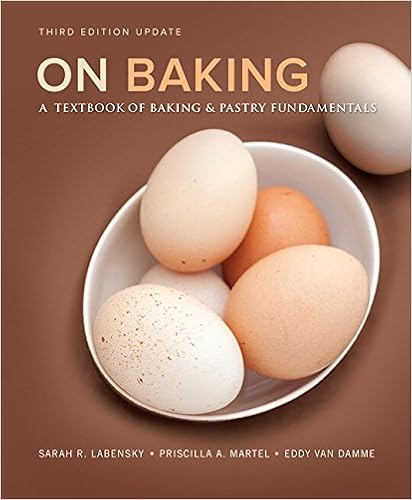
On Baking (Update): A Textbook of Baking and Pastry Fundamentals (3rd Edition) 3rd Edition by Sarah R. Labensky , Priscilla A. Martel , Eddy Van Damme (Pearson) (IBRCookBooks)


This is one of those books (like its companion "On Cooking" that is a wealth of information whether you are a food professional or a novice cook. It is a text book, but it is excellent. It is presented in a clear, well illustrated, logically organized manner and is easy to read and understand even if you are a novice.

The price of this and the companion will scare some folks away. That is a pity as you could easily buy several other cookbooks totaling way more than this but not get the information and understanding that you would from this book. If you are a cook, serious about cooking, beginning but wanting to learn or know someone who is, this is the book to get. My wife is a Master Food Volunteer in VA trained by VA Tech. This is also known as a Master Food Preserver in other states who complete the same training program through their state university. She and others like her educate the public on food preparation, sanitation, storage, preserving, and other related food topics. For her, this is the "go to" reference on the subject regarding baking, as is the other for cooking.

Chef Sarah Labensky  is currently a professor of culinary arts at Woosong University’s Sol International Culinary Arts School in Daejeon, Korea, Chef Sarah Labensky was previously Founding Director of the Culinary Arts Institute at Mississippi University for Women, as well as a professor of culinary arts at Scottsdale (Arizona) Community College. Chef Sarah has also owned restaurants in Columbus, MS and spent many years as a working pastry cook and caterer. She is co-author of On Cooking: A Textbook of Culinary Fundamentals (Pearson, 5/e update, 2014), The Prentice Hall Essentials Dictionary of Culinary Arts (Prentice Hall, 2007), and Applied Math for Food Service (Prentice Hall, 1997).

Priscilla Martel is a professional chef, educator and food writer with a special interest in artisan baking, the pastry arts and Mediterranean cuisines. She honed her cooking skills at Restaurant du Village, a country French restaurant opened in Chester, CT in 1979. Today, she operates All About Food, which holds several baking patents and collaborates with food manufacturers and restaurants to create innovative products, menus and marketing programs.
She is a visiting instructor at Boston University’s certificate program in the culinary arts. She speaks to consumer and professional organizations about baking, almonds and healthy cooking. She is a contributing writer for Flavor and the Menu Magazine and the culinary director of American Almond Products Company, a leading baking-industry ingredient manufacturer. She is an active member of the International Association of Culinary Professionals, Bread Baker's Guild of America and the International Association of Foodservice Editors.She is co-author of On Cooking: A Textbook of Culinary Fundamentals (Pearson, 5/e update, 2014) and Math for Bakers DVD.


Chef Eddy van Damme is  elgian-born pastry chef and confectioner, Eddy Van Damme is Professor in the Baking and Pastry Arts Program at Houston Community College. He studied at pastry school in Bruges and at PIVA in Antwerp, Belgium as well as in Paris at LeNôtre and Cacao Barry before coming to the United States over 20 years ago. Winner of 5 American Culinary Federation Gold Medals, Chef Van Damme consults to many companies including Imperial Sugar. He is host of popular and award-winning TV show Bake It!

Fried Schnitzel with Apricot Sauce, A recipe from Stephen Darori, #BArdOfBatYam, #PoetLaureateOfZion


Do you dream about making schnitzel without all the labor-intensive work? If so, this recipe is for you. There is minimal oil and no frying. Dump the pieces on a pan and bake them. It’s that simple. No need to stand sentry over the boiling oil for fear of splatters and burns. Of course, it’s also healthier.


Slice the chicken into thin strips. It’s easier to slice thinly when half-frozen. So if you’re defrosting the chicken, don’t let it defrost fully.


Crack the egg into a bowl, and mix the cornflake crumbs and flour in a separate bowl. Dip each piece of chicken into the egg and then into the crumbs. Lay the chicken pieces on a greased cookie sheet. Don’t worry about overcrowding the pan—it’s fine if the pieces are touching.


Drizzle the oil over the chicken and bake at 400° F for about 20 minutes. Baking time will depend on the thickness of your chicken, so cut one piece open to see if it’s ready before you take them all out. Also keep in mind that baking on disposable pans usually requires a bit more oven time than real pans.

Eat immediately or refrigerate for later. This chicken also works well when you cut it up and add it to salad.


Want to fancy it up a little? Make the dipping sauce and serve it alongside the chicken. Watch it disappear in no time!


Shnitzel Ingredients
1 lb. chicken breast
2 cups flavored corn flake crumbs
¼ cup flour
1 egg
3 tbsp. oil

Schnitzel Directions
Cut the chicken into thin strips. It’s easier to slice thinly when the chicken is half-frozen.
Crack the egg into a bowl and beat it with a fork.
In a separate bowl, mix the flour and cornflake crumbs.
Dip each piece of chicken into the eggs and then into crumbs. Lay the chicken pieces on a greased cookie sheet and drizzle with the oil.
Bake at 400° F for approximately 20 minutes (longer if your chicken is thicker or if you’re using a disposable foil pan).

Sauce Ingredients
½ cup apricot preserves
1 tbsp. soy sauce
2 tbsp. white sugar
1 tbsp. brown sugar
2 tbsp. vinegar
⅛ tsp. ginger powder
⅛ tsp. garlic powder
¼ cup water

Sauce Directions
Cook all sauce ingredients in a small saucepan. Bring to a boil and then reduce to a simmer.
Simmer over a very low flame for 10–15 minutes until the sauce thickens. Make sure to stir frequently so the sauce doesn’t burn.
When it’s ready, take the sauce off the fire and pour it through a fine mesh strainer.
Serve alongside the schnitzel for dipping.

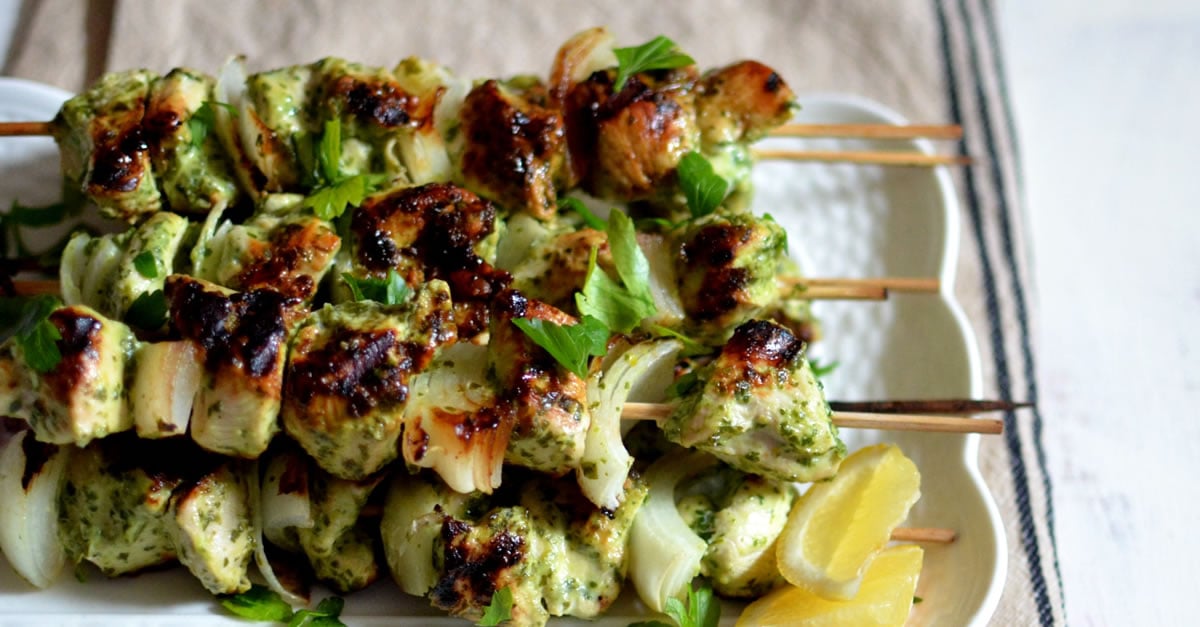
Grilled Parley Lemon Chicken Kebab Skewers, a recipe from The Bard Of Bat Yam, Poet Laureate Of Zion


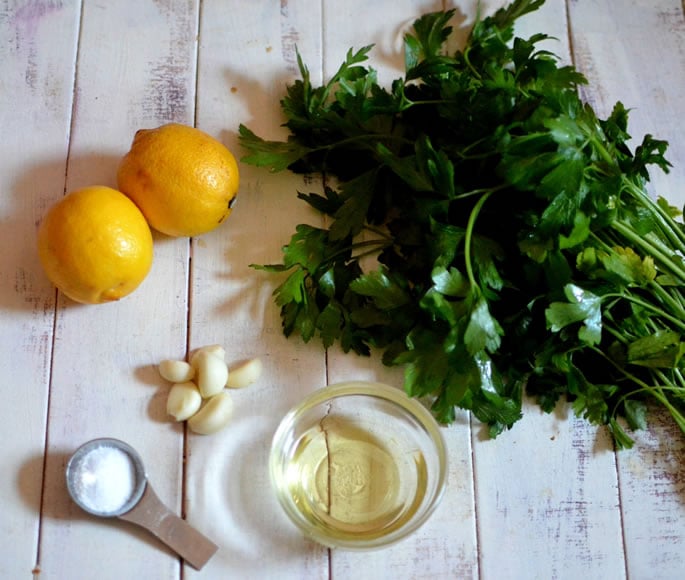
Lemon is my all-time favorite ingredient, and lately I've been on a bit of a parsley kick. Since lemon and parsley marry so well, these chicken kebab skewers are fragrant, herbaceous, fresh, and flavorful.

For best flavor, it's important to use fresh lemon, fresh parsley, and fresh garlic. Bottled lemon juice won't cut it.


You can cook these on an outdoor grill, indoor grill pan, or even just in the oven. I've given directions for all.

Ingredients
2 lb. chicken breast, cubed
2½ cups flat-leaf parsley (approximately 25 grams)
⅓ cup fresh lemon juice
6 tbsp. olive oil
3 large garlic cloves, crushed
2 tbsp. honey
zest of 2 lemons
2 tsp. kosher salt

Directions

  1. Cut the chicken into cubes and place in a bowl or container.
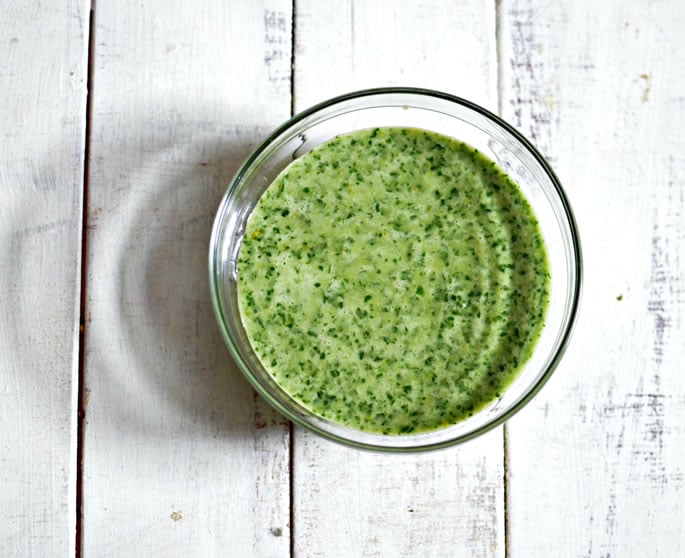
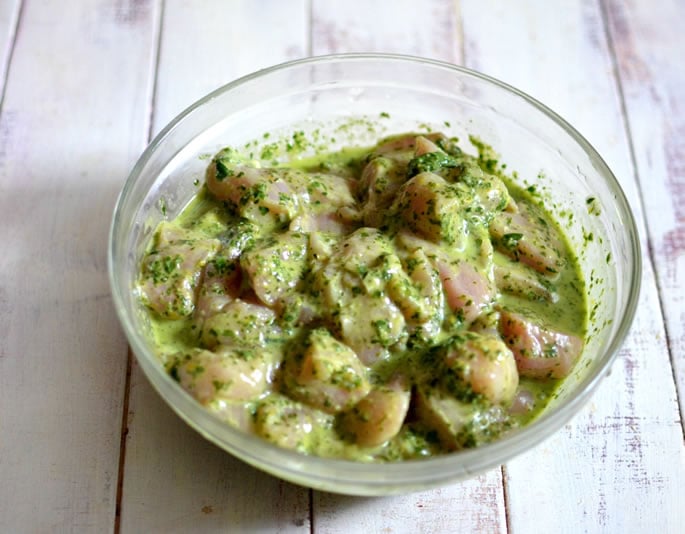
  2. Blitz the rest of the ingredients together in a blender or food processor. Pour over the chicken. Mix so that the marinade reaches all the chicken.
  3. Marinate the chicken for a few hours, or overnight.
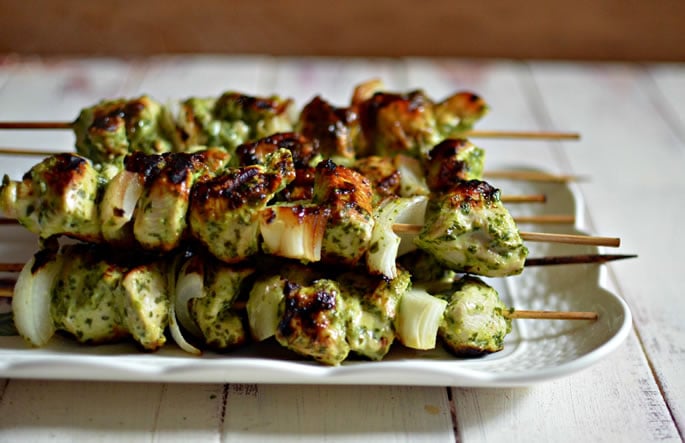
  4. Thread the chicken onto wooden skewers. Optional: intersperse the chicken with chunks of onion or other vegetables. I used onion.
  5. Cook skewers on the barbecue until chicken is cooked through but tender.
  6. To cook indoors, pre-heat the oven to 500°F. Heat a grill pan over high heat for 4-5 minutes. Place the chicken skewers on the pan and grill for 2-3 minutes, then flip and grill for another 2 minutes. Transfer pan to the oven and cook for another 5 minutes. If you don't have a grill pan, you can still make these. Place the chicken skewers on a real baking sheet and bake at 500°F for 10-12 minutes.

Yields: 10 kebabs

Friday, August 31, 2018

Ocean View Restaurants: Five of the Best in Tel Aviv

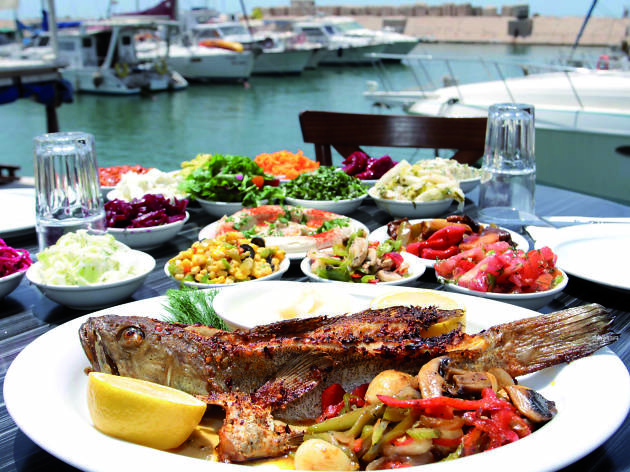
Five restaurants in Tel Aviv with oceanside views-Tel Aviv restaurants with the best seat in the house

There’s nothing like a good sea breeze (cocktail) to pair with those gentle Mediterranean winds


If there’s one thing tourists and locals alike can agree on, it’s that the beaches in Tel Aviv are one of the White City’s top attractions, and for good reason. From the Tel Aviv Port all the way down to Old Jaffa, the Mediterranean sandstrip embraces all walks of life...even dogs. Who said the fun had to end when the sun sets though? These five Tel Aviv restaurants sprinkled along the sea keep the good times rolling with sensual seafood, high class cuisine, and even Greek classics. With fantastic food and views to match, we’ll let you decide which of the two is more awe inspiring.


Manta Ray
Tel Aviv Beach


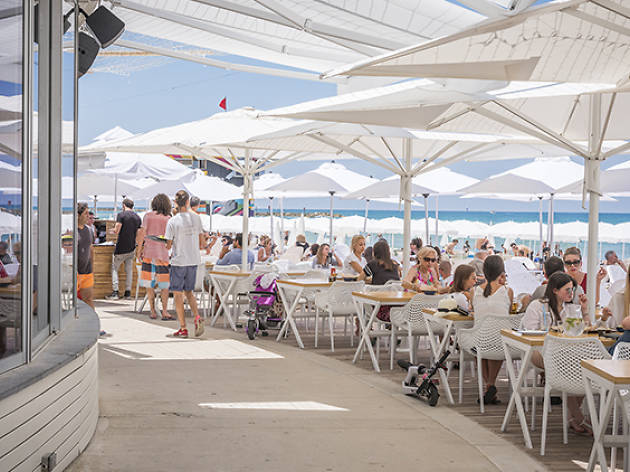
Put together an attractive beachfront location, fresh seafood prepared with a distinctly Mediterranean flavor, friendly but very efficient waiters and you have the winning combination that has made Manta Ray one of the most popular restaurants in Tel Aviv. Enjoy leisurely breakfasts, brunches, lunches or dinners in this stunning location. You won’t regret it.


Calypso TLV
Tel Aviv Beach


It seems like everywhere you look Omer Miller is popping up with a new eatery and now he’s at it again! Partnering with David Tor, the man behind the famous nightclub, The Cat and Dog, to bring Calypso, a traditional seafood tavern set against the backdrop of the majestic Mediterranean Sea. Fresh seafood dishes and wistful cocktails are presented through the night in a space where the sea meets the electrifying energy of the city’s nightlife.


Parakalo
Tel Aviv Beach


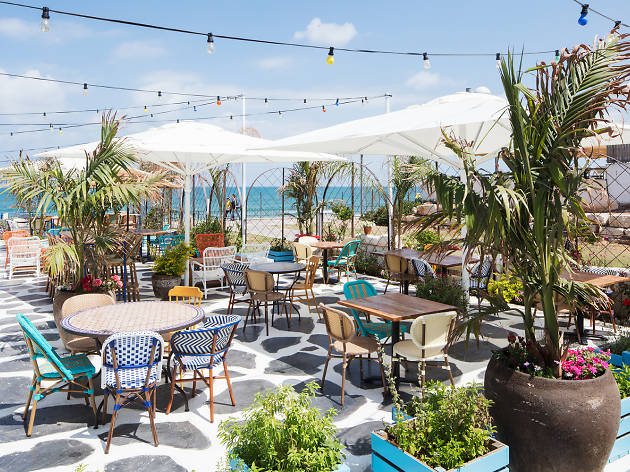
With a dreamy, eye-level view of the glittering Mediterranean and authentic fare, the new Greek taverna, Parakalo, is set to dominate the summer days and nights with its sprawling outdoor patio, freewheeling good vibes and colorful decor dripping in tasteful blue and white accents. Situated smack dab on the bustling beach promenade between Tel Aviv and Jaffa, the location could not be more ideal for a walk-by sit-down of spontaneous brunch, lunch, a drink and a snack or an all-out dinner and drinks scenario. The open-air atmosphere and the eccentric mural, painted by Israeli street artist Elna Oo of local graffiti collective Brothers of Light, are perfectly synchronized complements to dining in the summer breeze, carefree, and grubbing on great food. What’s more is the purely hospitable nature of the waitstaff and Jaffa-born and bred owners, Hany and Nelly Grably, who take the utmost care in making sure you are enjoying every last bite. Make sure to order a range of fresh fish and seafood options like rounds of calamari and plump shrimp doused with lemon and tangy herbs. Their signature Greek recipes are inspired by Hany’s childhood visits to Athens, and the mezze platters, punctuated by fresh tziziki sauce, ikra and homemade flatbread are all winners.


The Old Man and the Sea
Jaffa Port


Since branching out to the Jaffa Port, The Old Man and the Sea has become more than a meal, it is a complete theatrical scene. From waiters running around like whirling dervishes, to giant pitchers of fresh squeezed lemonade, and so many vibrant salads you won't even need a main course (though you must try the grilled chicken, fish and kebabs), a weekend brunch at the port is worth braving the long line. Don't fret, it moves fast, and the fare is worth it. While the inside is cool on a hot day, we suggest braving the heat and eating port-side for the full experience. Throw in warm oven baked pita bread, and complimentary coffee/tea and tiny balls of honey-glazed goodness for dessert, and you'll never want to leave

Kitchen Market
Tel Aviv Port


Located in the Tel Aviv Port’s indoor market, this market-to-table restaurant serves up seasonal dishes bursting with creativity. At Kitchen market, you can enjoy breathtaking views of the sea while indulging in some of the best contemporary Israeli food in the city. Handcrafted by artisanal chef Yossi Shitrit, the gourmet cuisine is harmonious, while each Mediterranean dish surprises and soothes at the same time.


Thursday, August 30, 2018

Best Desserts: Where to find them in Tel Aviv

A day-by-day guide to Tel Aviv's best desserts
Indulge in these seven desserts in Tel Aviv, one for each day of the week


Even in our wellness-obsessed world there comes a time when you have to throw caution to the wind and fall head first into a mouth-watering dessert that’s as high in calories as it is in delectable flavors. Let Tel Aviv prove its worth as more than just ice cream parlours and froyo. Bring on the sugar high at these White City cafés, bars and restaurants with the tastiest Italian tiramisu, creamiest cheesecake and Israel's take on the famous British banofee pie. Though sharing is caring, you'll want these calory-rich desserts all for yourself.


A dessert a day keeps the doctors away


1© Meir Cohen

Restaurants, Cafés
"Sugar High" Sunday: Dallal Bakery
Neve Tzedek


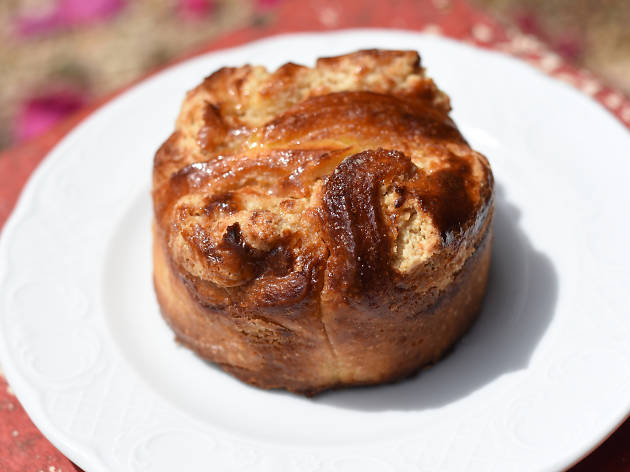
When only something sweet will do, French bakery Dallal is always your best bet. Their halva babka boasts a lightly nutty flavor in a brioche dough. Available in individual sizes and as a cake (which we would argue also constitutes an individual portion), ride the sugar high to recovery. Located in the enchanting Neve Tsedek neighborhood, this cozy bakery is known as one of the very best in town. Incredible French pastries with Israeli twists line the vitrine, boasting a selection of perfectly shaped eclairs, mini-size cakes and colorful sandwiches.


"Manjari" Monday: Blue Sky’s Manjari Bar


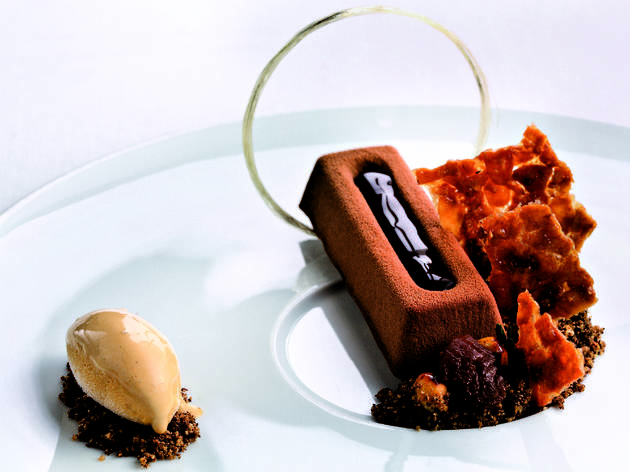
Meir Adoni (aka Israel’s answer to Jean Georges) is the force behind four of Tel Aviv’s most popular food establishments: Catit, Mizlala, Blue Sky and Lumina. It’s at Blue Sky, however, that you’ll find what is arguably his best dessert. The restaurant, located on top of the Carlton Hotel on the 15th floor, looks out onto Tel Aviv’s coastline on one side and onto the urban landscape of the city on the other side. While you can stop in for a full three course meal, Blue Sky also offers small plates and cocktails – or you can skip all that and just order the Manjari Bar (NIS 73). The multi-textured dessert consists of a Manjari chocolate bar, amarena sauce, amarena cherries financier, nuts crumble, almond tuile, cherries macaroon, caramelized hazelnut and tonke beans ice cream. It comes beautifully presented and it also happens to be kosher.

Manjari Bar ,Eliezer Peri St, Tel Aviv (03-5201830)

©

"Sweetart" Tuesday: Aria’s Passionfruit and White Chocolate Cake


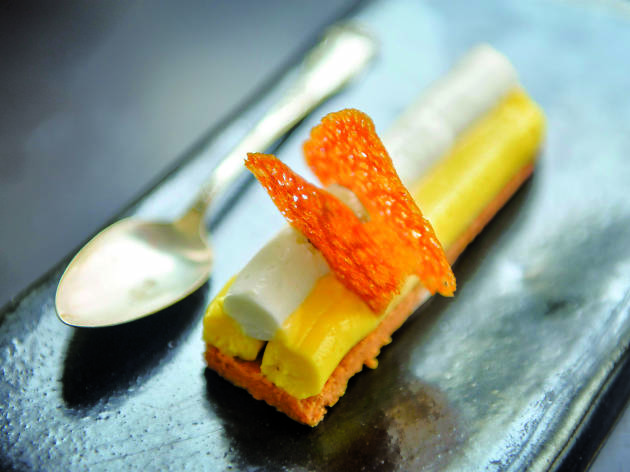
The great thing about Aria is that you can indulge in their passionfruit and white chocolate dessert (NIS 48) and then dance off all the calories at their downstairs bar/lounge. So what are you waiting for? The cake is made with slivers of passionfruit cream and white chocolate mousse, both of which comes served on hazelnut crunch and with slightly sour passionfruit sorbet.

Aria ,66 Nahalat Binyamin St, Tel Aviv (03-5296054)


"Macaron" Wednesday: Messa’s Exotic Dessert


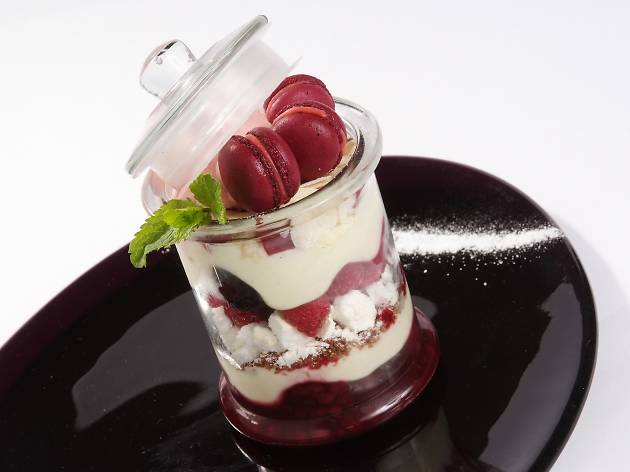
Messa’s signature dessert is a strawberry-macaron-cream dessert served in a mason jar. The fruit you see in this dessert is a bit misleading. This isn’t anything high in nutritional value. Note that the centerpiece of the eatery is a long, white central table with high-back chairs – stylish yes, but comfortable no. For comfort and privacy ask to be seated on one of the outlining tables when making your reservation and don’t forget to leave time to check out their adjoining bar/lounge.

Messa 19 HaArba’a St, Tel Aviv (03-6856859)


©

"Tiramisu" Thursday: Bakery’s Tiramisu


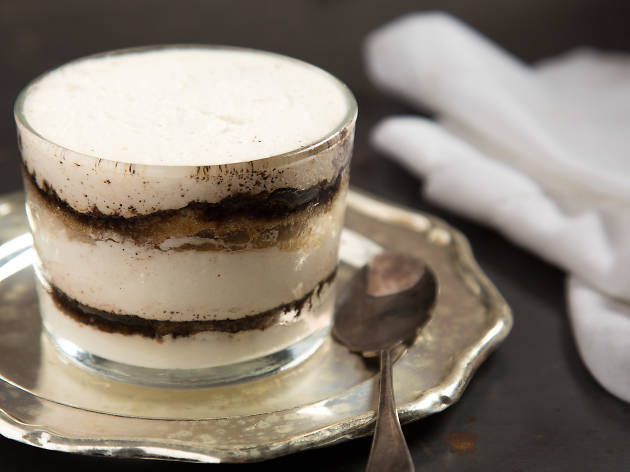
As far as tiramisu goes, there is a lot of competition in Israel. Ouzeria and Bindella Osteria put up a good fight, but ultimately the Bakery - part of the restaurant and hospitality group behind some of Israel’s most well-known establishments (think Hotel Montefiore, Coffee Bar and Brasserie) beat out the competition with their version of the classic dessert. They get brownie points for stocking it in two sizes (a small for one, NIS 26, or a large for six, NIS 140) and for selling it at both Delicatessen and their various Bakery locations. Expect layers of sponge cake soaked in coffee and amaretto liqueur, mascarpone cream and cream Zabaione. You won’t find a better version in Italy.

Delicatessen, 79 Yehuda HaLevi St, Tel Aviv (03-9681010); or Bakery, various locations in Tel Aviv.


©

"Cheesecake Factory" Friday: Café Europa’s Cheesecake


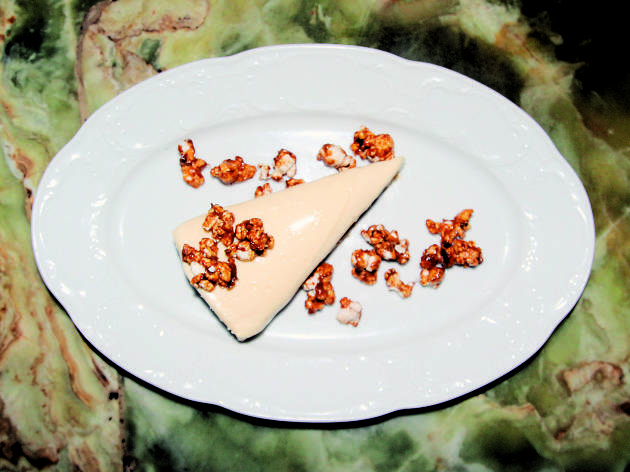
When a Tel Aviv restaurant can master a New York-style cheesecake you know they’re on to something. It should therefore come as no surprise that absolutely everything on Café Europa’s menu exceeds expectations. The only criticism – bigger portions, please! The menu is divided by prices with dishes ranging from NIS 32 to NIS 62. We suggest ordering up everything that catches your eye (remember portions are small, especially by Israeli standards) but make sure to leave room for one dessert, namely the aforementioned cheesecake (NIS 42). Served on its own, it would be a winning dessert, but adding caramelized popcorn and popcorn cream to their cheesecake makes this an exclamation point to any meal. Meanwhile, their churros, chocolate brioche, strawberry shortcake and lime-berry-cream dessert are all worth silver medals. Basically, arrive with a group and order everything on the menu.

Cheesecake Factory, 9 Rothschild Bvld, Tel Aviv (03-5259987)


©

"Sorbet Soup" Saturday: Pastel’s Floating Island


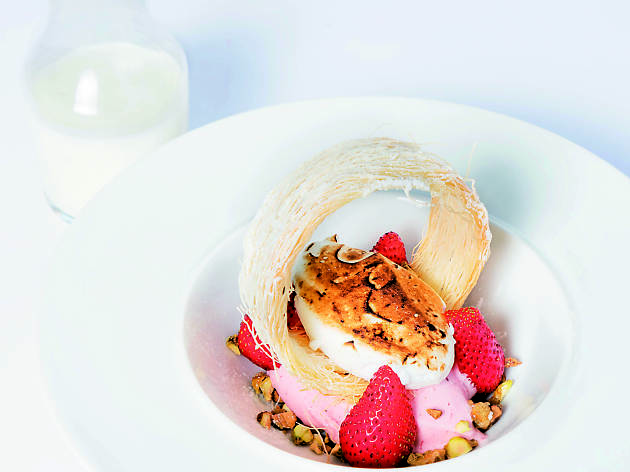
If you’re looking for a date spot or the kind of place where you could go with a big group and actually speak without shouting, Pastel is a fantastic option. It’s also sun-drenched, has ample outdoor space as well as an outdoor bar and has comfortable seating, which is important because after chowing down on the modern brasserie’s eats you’ll want to linger longer and order dessert. Namely their Floating Island (NIS 44), which is actually a combination of two classic desserts: one Mediterranean and the other western. It’s made up of strawberry sorbet, Amarena cherries, a soft and burnt meringue, kadaif and malabi soup. There’s an illusion of a floating island after the server pours the “soup,” which is spiced with rose water, once the dessert hits your table.

Pastel, 27 Sha’ul HaMelech St, Tel Aviv (03-6447441)

Jewish Food is disappearing from Tel Aviv Street . Replaced by International Cruisine

It was mid-May in Tel Aviv and the afternoon heat was rising. Sitting in Eva’s, a small un-air conditioned restaurant, eating chicken soup with kreplach (small dumplings filled with ground meat), sweat formed quickly behind the knees.

Eva’s has been located on this dumpy stretch of Allenby Street for 48 years. The menu is classic Ashkenazi – or Eastern European Jewish – food, and the glass display case is full of prepared potato latkes (pancakes) and fried cauliflower. The matzoh balls (soup dumplings) here are ‘sinkers’, in the common parlance. That means that they’re dense and bready, sitting in the bottom of the bowl of chicken soup. (‘Swimmers’ are lighter and spongier, and they float on the surface. The difference is a question of both skill and personal preference.)


Allenby Street in Tel Aviv is home to the Jewish restaurant Eva’s (Credit: M.Sobreira/Alamy)

There were three separate tables of single men in their 70s, one of whom was completing a crossword while working away at a large chicken schnitzel. Business was otherwise quiet. “This is not food for young people,” said proprietor Eva Schachter, whose family is originally German. “It’s grandma food. I’m old enough to remember the taste of the food my mother and grandmother used to make.” Eva smiled, her freckled and deeply wrinkled face framed by a gamine haircut.

One of the biggest shocks for many foreign visitors to Israel is the lack of Ashkenazi Jewish cuisine with which they are familiar. Where are the smoked salmon, bagels and cream cheese at breakfast? What about the delis that define 'Jewish cuisine' from Montreal to Los Angeles? Or the kugel (a casserole made from egg noodles or potato), gefilte fish (an appetizer made from poached fish) and matzoh ball soup served at Jewish tables around the world? Time Out Tel Aviv even has a section entitled ‘Where to find the best Jewish food in Tel Aviv’, and the few cafes that do sell Ashkenazi food (like Eva’s) typically emblazon their menus and awnings with the label ‘Jewish food’, something you would never see at a neighbourhood shawarma joint. These are strong indicators of just how spare this kind of cuisine is here.


Potato pancakes called ‘latkes’ are a staple in Jewish cooking (Credit: Owen Franken/Getty Images)


In reality, Israeli cuisine has long been more closely associated with its immediate environment, a fusion of Mediterranean and Middle Eastern traditions and ingredients. The early Zionists eagerly adopted Arab dishes, such as falafel, hummus, and shawarma, while in recent years Israelis have developed a more diversified palate. Still, ‘Jewish food’ remains scarce. But very few visitors know the reasons behind the dearth of it in Israel: despite the fact that many Jews living in Israel can trace their lineage to Eastern Euripe, they forsook traditional Ashkenazi food both because of scarcity but also in deliberate service to the formation of a new national narrative.

Israeli cuisine has long been more closely associated with its immediate environment

Unlike the relative prosperity of the US, where the deli – which specialises in preserved meats – flourished with the arrival of Jewish immigrants from Europe, the early years of Jewish statehood were marked by austerity. For the first decade following the formation of the state in 1948, the Israeli government imposed rationing on its rapidly growing population. Dwindling foreign currency made imported staples like oil, sugar and meat scarce. Fuel, such as natural gas and electricity, was also in short supply; bagels, which require an extra step of boiling before being baked, were too energy-intensive. The population instead made due with extra helpings of aubergine, which grew in abundance, and spawned such dishes as sabich, a pita sandwich overstuffed with the meaty vegetable.


Meat was scarce in the early years of Jewish statehood, so aubergine became a go-to ingredient

Even after austerity ended, the Levantine environment was never quite suited to Ashkenazi cuisine. Cattle, a necessary first step for a pastrami-on-rye or braised brisket, originally failed to flourish in the hot climate. But Ashkenazi food always consisted of more than a deli sandwich, so austerity alone cannot explain its failure to thrive in the new Jewish state – and that’s where ideology comes into play.

Early adherents to the Zionist project, committed to creating a Jewish state in the territory now known as Israel, sought to abandon vestiges of their past. Just as the European settlers favoured Hebrew over Yiddish and khakis over frock coats and homburgs, they also purposefully chose to eat indigenous foods over Ashkenazi ones. “Many of the first Ashkenazi Jews who came here, the ideological pioneers, were interested in cutting off their roots from the past and emphasizing the newness of the Zionist project,” explained Shaul Stampfer, professor of Soviet and East European Jewry at the Hebrew University of Jerusalem. “One of the ways of doing that [was] through the food.”


The earliest Zionist settlers promoted the creation of a unified food culture (Credit: Stuart Freedman/Getty Images)

The adoption of indigenous food lent the early European implants an air of authenticity. The production of local ingredients – the things that grew well in the desert and along the Mediterranean coastline, and the many dishes adapted from Arab kitchens – became part of the Zionist narrative. Advertisements at the time implored the population to eat locally grown ‘Hebrew watermelons’. The Jewish people had returned to Zion and had the diet to prove it.

The Jewish people had returned to Zion and had the diet to prove it

Later, as Jewish immigrants from Morocco to Ethiopia began piling in, each with their own unique style of cooking, the creation a national cuisine became ever more important. “They were grappling with people from different cultures and traditions and it was a challenge to convince them that they belonged together,” said Yael Raviv, author of Falafel Nation: Cuisine and the Making of National Identity in Israel. “They had to use everything and anything to forge this unified nation. Food is so tied to Jewish heritage, laws of kashrut [kosher dietary rules], and the Israeli economy is really driven by agriculture – so it became a very effective tool because it could be used in these various ways.”


Early Zionists adopted Palestinian dishes such as falafel (Credit: Photostock Israel/Getty Images)

The earliest Zionist settlers, most of whom were Ashkenazi, proved willing participants in the building of this unified food culture. “The early immigrants were very committed to making a new life in the land of Palestine,” said Raviv. “That gave them a high degree of motivation to leave behind certain things and embrace new things.” And Raviv noted that there was a certain pragmatism to this attitude: “If you can’t get something, you have to learn to live without it.”

In recent years, Israelis have developed a more diversified palate, with Thai and Mexican restaurants easy to find on the streets of Tel Aviv. Still, Ashkenazi food remains scarce. Several delicatessens have tried to break into the Israeli market – though the training wheels are still on. One of the more successful entrants, Deli Fleishman, describes their sandwiches as a ‘Jewish taste for the Jewish state’ – although their ‘Brooklyn’ sandwich inexplicably contains Argentinian-style chimichurri and is a far cry from New York’s famous Katz’s Deli. “Smoking and fermenting are a real skill,” said Israeli chef Michael Solomonov, the James Beard Award-winning chef behind Philadelphia’s Zahav restaurant. “Only recently have Jewish Americans come to Israel and started making pastrami.”


Only recently have Jewish Americans brought pastrami to Israel (Credit: Boston Globe/Getty Images)

Still, some more traditional elements of Ashkenazi cuisine have had greater success. As part of the nouveau Israeli food movement, which is synthesizing diaspora Jewish traditions from around the world, there’s a renewed interest in North American and European contributions. Classic European Jewish fare like chopped liver is starting to work its way onto fusion menus at high-end restaurants alongside more local ingredients like pomegranates and avocados. At Raz Rahav’s OCD restaurant in Tel Aviv, kasha (puffed buckwheat groats) mingle with trout sashimi and caper aioli. Solomonov has great hopes for the resurgence of this culinary tradition.


Thursday, August 16, 2018

The Poet Laureate of Zion's Romany Creams, a recipe by the Bard of Bat Yam , Stephen Darori

Related image


Romany Creams, one of South Africans favourite tea time treats. A crunchy chocolate flavoured biscuit sandwich together with good quality chocolate. Traditionally it’s made round but I’ve made them into squares as well! It’s a hit with kids as well. Instead of sandwiching together with chocolate, finish with a colourful smartie on top. Use a drop of chocolate to paste the smartie in place.  

Ingredients:
2 extra-large eggs
¾ cup cooking oil
1 cup sugar
3 Tbsp cocoa powder
3 cups desiccated coconut
3 – 4 cups self-raising flour
125g soft butter
Cooking chocolate to complete

Method:
Cream the butter, sugar in a large bowl until light and creamy.
Add the eggs. Mix well.
Add the coco powder and stir to combine.
Gradually add the self-raising flour & coconut.
Mix by hand to make fairly stiff dough.
Roll out dough to 2-3mm thick on a lightly floured surface.
Using a fork, scrape lines over the dough to create a slightly rough texture.
Cut out round shapes with a biscuit cutter.
Transfer onto baking sheets.
Bake in a pre-heated oven at 180C for approx 8-10minutes.
Allow to the biscuits to cool on a wire rack.
Melt the chocolate over a double boiler.
Sandwich two biscuits together using the melted chocolate.
Leave to set. Yields approximately 40 complete biscuits

Cook’s Tip:
Place a piece of greaseproof paper or plastic wrap over the dough before rolling. This will prevent the dough from sticking to the rolling pin.


Friday, July 20, 2018

Zoodles with Vibrant Tomato-Corn Sauce, a recipe from the Bard of Bat Yam, Poet Laureate of Zion, Stephen Darori


Time 30-60 Minutes


Ingredients:
2 onions
¼ cup olive oil
2 lb. cherry tomatoes
2 ears of corn
kosher salt
black pepper

Directions:

Cut the onions into quarter rounds. Sauté in the olive oil for 5 minutes.
Add the cherry tomatoes, cover, and cook for another 15-20 minutes.
Cut the corn kernels off the cob and add to the tomato mixture. Cook for 10 more minutes.
Season with salt and freshly cracked black pepper to taste.
Serve over zucchini noodles.
For the zucchini noodles:
3 large zucchinis
2–3 tbsp. oil
1 tsp. kosher salt

Directions

Related image
Spiralizer

To make zucchini noodles, you’ll need a spiralizer of some sort. Spiralize the zucchini and put it on a couple of pieces of paper towel. Cover with paper towel and press down to absorb some of the moisture. Let zucchini sit for 10–15 minutes. Replace the paper towel if necessary. To cook, place 2-3 tbsp. oil in a frying pan over high heat. Once the oil is very hot, add the zucchini and the salt, and toss it for 2 minutes or so. Be careful not to let the zucchini overcook and become soggy and watery. (Depending on the size of your frying pan, you might need to do the zucchini in several batches. You don’t want to overcrowd the pan.) Remove from pan; serve immediately.

Note: You can prepare the raw zucchini noodles a few days in advance. Store, refrigerated, in an airtight Ziploc bag, with a couple of pieces of paper towel.


Classic Spaghetti Bolognese, a recipe by the Bard Of Bat Yam, Poet Laureate of Zion, Stephen Darori

Spaghetti Bolognese is a dish loved the world over. This Classic Spaghetti Bolognese is cooked long and low to leave you with a rich, deep ragu that is loaded with flavor. A classic family favorite.


This is a slow cooking dish but it is worth the wait. The key to developing the flavour is to let the sauce cook over a very low heat for 90 minutes. This elongated cooking time, means the dried herbs soften and mellow into the sauce and the onion and garlic melt into the sauce.

When you add the ground beef to the onion mixture, make sure you use a spatula or wooden spoon to really break the meat down. This helps it to absorb the flavours and gives the final sauce a melt in the mouth feel.

Although the recipe requires you to brown the beef, don’t let it get too crispy as this can affect the texture of the final sauce.


Don’t be alarmed by the addition of sugar. Most canned tomatoes are a little acidic and the sugar helps to enhance the tomato taste and remove any sour notes.

If you have read any other recipe here on Easy Pasta Sauces, you will know that we are big advocates of using the pasta cooking water to create a thick saucy emulsion. That is vital here. Once the pasta is cooked, add the pasta back to the pan along with some reserved cooking water and half of the bolognese. This is all cooked together to get the sauce into the pasta. It really does make a difference. You can still spoon a big spoonful over the top, but the simple step of cooking the pasta in some of the sauce will make all the difference.


The recipe below makes enough sauce for 8 people, if you want a smaller amount hover over the servings, you can use the slider bar to reduce the servings. Or freeze half for a quick weekday meal. It tastes fabulous after freezing. Just remove the ragu from the freezer in the morning and it will be ready to heat up when you get home in the evening.
Serving Suggestions:

Side: We think this classic spaghetti bolognese is best paired with some sort of bread. Either some warm ciabatta or plenty of garlic bread.

Wine: Because of the slow cooking the tomatoes in this dish can take a big bright red wine. Try a Shiraz or a Chianti. Or go more traditional and pair this dish with a wine made with the Nebbiolo grape: a Barolo or Barbaresco.
If red isn’t your thing then stay with the regionality of this dish and serve this up with a sparkling Lambrusco, unusual but a great wine pairing.


Spaghetti Bolognese is a dish loved the world over. This Classic Spaghetti Bolognese is cooked long and low to leave you with a rich, deep ragu that is loaded with flavor. A classic family favorite.
Course Main Course
Cuisine Italian
Prep Time 10 minutes
Cook Time 2 hours 10 minutes
Total Time 2 hours 20 minutes
Servings 8


Ingredients

2 large onions
2 tbsp olive oil
2 lb ground beef (1kg)
4 garlic cloves
3/4 cup red wine (180 ml)
3 beef bouillon cubes (like oxo)
2 x 28oz can crushed tomato (880g)
1 tbsp sugar
1 tbsp Worcestershire Sauce
1 tbsp dried oregano
1 tbsp dried Italian mixed herbs
1/2 cup water (125ml)
salt and pepper

To Serve
1.5 lb spaghetti (680g)
parmesan cheese

Instructions

To make the sauce

  • Peel and finely chop the onions.
  • Heat the olive oil in a large pan.
  • Add onion and cook over a medium heat for 5 minutes and cook until they are softened and lightly golden.
  • Turn the heat up to high, add beef and use a spatula or wooden spoon to really break the mince down as it browns. 
  • Crumble over the beef bouillon cubes and stir well to coat the meat.
  • Peel the garlic and grate or crush it into the mixture. Stir well.
  • Add in the red wine and let it sizzle for a a couple of minutes.
  • Add in the crushed tomatoes, sugar, Worcestershire Sauce, oregano, Italian mixed herbs and water.
  • Stir well and bring the mixture to a simmer.
  • Put the lid on and cook over a very low heat for 1 1/2 hours; stirring occasionally.
  • Once the time is up, increase the heat to medium and cooke without the lid for a further 20 minutes.
  • Taste the sauce and then add extra salt and pepper to taste.
  • At this point you can cook the pasta or cool the sauce and refrigerate it until later.

To cook the Spaghetti
  1. Bring a very large pan of water to the boil, once boiling salt it generously and cook the pasta until al-dente. (1 minute less than the packet suggests)
  2. Reserve a cup of the pasta cooking water and then drain the pasta.
  3. Place the pasta back into the pan and add the reserved water. Place over a high heat and add half of the bolognese sauce. Stir well until the sauce has thickened around the pasta.
  4. Serve the pasta with extra sauce spooned on top.
  5. Garnish with parmesan.

Roasted Cauliflower with Creamy Garlic Spaghetti, a recipe by the Bard of Bat Yam, Poet Laureate of Zion, Stephen Darori


This Roasted Cauliflower with Creamy Garlic Spaghetti is an elegant yet simple vegetarian pasta dinner. Perfect for entertaining or meatless Monday.


Roasting the cauliflower in the oven turns something plain into something super special. The edges caramelize, the flavour sweetens and the texture is beautifully yielding without a hint of soggy. Roasted Cauliflower will please vegetarians and carnivores alike. Who knew cauliflower could be so delicious.

The creamy garlic and thyme sauce comes together quickly and coats each strand of pasta with a silky creamy sauce that only uses 2/3 cup of cream for 4 people. You get decadent and elegant without the excessive calories.


We used spaghetti today but any long pasta will work with this dish. If you prefer a smaller shape than something flat like a farfalle/bow-tie pasta would work too.

Avoid tubular pasta or shells as they will fill up with the creamy sauce and you might find there isn’t enough sauce to coat everything beautifully.


Serving Suggestions:

Side: Swerve the bread and instead go for a crisp bright salad to balance the creamy sauce. Dress baby kale leaves with a lemon and olive oil dressing.

Wine: To cut through the creamy sauce pick an unoaked chardonnay or a dry pinot gris. For the red wine lovers something light like a Barbera d’Asti or a Merlot will work with the garlic and cream.


Buon Appetito
Want to save this Roasted Cauliflower with Creamy Garlic Spaghetti for later? Pin it here.


Roasted Cauliflower with Creamy Garlic Spaghetti


This Roasted Cauliflower with Creamy Garlic Spaghetti is an elegant yet simple vegetarian pasta dinner. Perfect for entertaining or meatless Monday.

Course Main Course
Cuisine Italian
Prep Time 5 minutes
Cook Time 25 minutes
Total Time 30 minutes
Servings 4

Ingredients

For the Cauliflower
1 head cauliflower
2 tbsp extra-virgin olive oil
1/2 tsp thyme leaves
salt and freshly-ground black pepper

For the Pasta
11 oz dried spaghetti (320g)
1 tbsp butter
1 tsp olive oil
4 garlic cloves
2/3 cup heavy cream (See notes)
1/2 tsp thyme leaves
1/2 teaspoon salt
black pepper

Instructions

  1. Preheat you oven to 400º F/200ºC.
  2. Line a large baking tray with parchment paper.
  3. Remove the outer leaves of the cauliflower and cut the florets into large bite sized chunks.
  4. Lay the cauliflower out in a single layer and drizzle over the EVOO. Season generously with salt and pepper and roast in the oven for 25 minutes until tender and caramelized on the edges. Remove from the oven and set aside until needed.
  5. Bring a large pot of water to boil and then add a good amount of salt.
  6. Add the spaghetti and cook until al dente. (usually around 1 minute less than the packet suggests)
  7. Meanwhile, peel and finely slice the garlic.
  8. Heat the butter and olive oil in a deep fry pan over low high heat.
  9. Add the garlic and sauté for 2 minutes (don't let them colour).
  10. Add the cream and bring to boil.
  11. Add in the thyme leaves, salt and pepper, then turn heat down to low and simmer for 3 minutes.
  12. Before draining the pasta, scoop a mugs worth of pasta water out and keep to one side.
  13. After reserving the cooking water drain the pasta in a colander.
  14. Transfer the pasta and ¼ cup of reserved pasta water into the pan with the sauce.
  15. Add more cooking water if needed.
  16. Stir in the roasted cauliflower and serve with grated parmesan and thyme leaves.

Chicken, Spinach and Garlic Pasta with Pangrattato, a recipe from the Bard of Bat Yam, Poet Laureate of Zion , Stephen Darori

Juicy chunks of chicken, stirred through a creamy spinach and garlic pasta, topped with a salty and crunchy pangrattato. This Chicken Spinach and Garlic Pasta is a great mid-week meal.


Pangrattato is also known as poor mans parmesan, but don’t let that put you off. The buttery crispy crumb is fabulous with the creamy soft pasta. You could serve this Chicken, Spinach and Garlic Pasta with a simple grating of parmesan, it will be delicious. But try the pangrattao, it will be a revelation.

When you are making the pangrattato, once it has got to the crispy golden stage, remove it from the heat and then remove it from the pan. It will continue to brown in the hot pan and can quickly turn black.


Serving Suggestion:

Side: The chicken and spinach in this dish add plenty of nutrients to this pasta dish. But to brighten the meal further this is great served with a simple salad of fresh spinach and sautéed mushrooms. Top it with a little of the pangrattato to complete the meal

Wine: This Chicken, Spinach and Garlic Pasta with Pangrattato is rich, creamy and packed with garlic. This means it can carry a lightly oaked white wine like a chardonnay or an oaked Viognier.


Chicken Spinach and Garlic Pasta with Pangrattato Recipe

Juicy chunks of chicken, stirred through a creamy spinach and garlic pasta, topped with a salty and crunch pangrattato. This Chicken Spinach and Garlic Pasta is a great mid-week meal. From Easy Pasta Sauces.
Course Main Course
Cuisine Italian
Prep Time 5 minutes
Cook Time 20 minutes
Total Time 25 minutes
Servings 4


Ingredients

For the Pangrattato
1 tsp olive oil
1 tsp butter
1/2 cup fresh or dried breadcrumbs
salt and pepper

For the Pasta
2 large chicken breasts
1/4 tsp salt
1/4 tsp pepper
1 tbsp olive oil
2 tbsp butter
3 large garlic cloves
1 cup dry white wine
1 cup heavy cream
12 oz long pasta
2 cups spinach

Instructions

To make the Pangrattato
Melt the butter in a skillet with the olive oil and once it starts to foam add the breadcrumbs.
Cook over a medium high heat until they are crisp and golden.
Remove the breadcrumbs from the pan to prevent them burning then seasoning generously with salt and pepper.

To make the Pasta
  • Chop the chicken into large chunks, Season with salt and pepper.
  • Heat the olive oil in a large skillet over medium-high heat, and add the chicken pieces.
  • Cook for 4 minutes over a medium high heat until the chicken is golden.
  • Turn the heat down to low.
  • Add in the butter and then crush in the garlic.
  • Cook for 2 minutes before adding the wine.
  • Bring the wine to a boil. Let it bubble for 5 minutes until it has evaporated by half.
  • Add in the heavy cream and simmer gently over a low heat.
  • Meanwhile cook the pasta.
  • Bring a large pan of water to the boil. Salt it generously and then add the pasta. Cook until al-dente.
  • Reserve a cup of the cooking water and then drain the pasta.
  • Add the drained pasta to the sauce and stir well. Add in a couple of tablespoons of the reserved water. Until the pasta is well coated and the sauce is at the constancy you prefer.
  • Add in the spinach, stir and then serve sprinkled with the pangrattato.