Showing posts with label @Stephendarori. Show all posts

Friday, August 31, 2018

Tel Aviv Port: Top Attractions that you shouldn't miss

A day at the Tel Aviv Port: Tel Aviv Port's top attractions
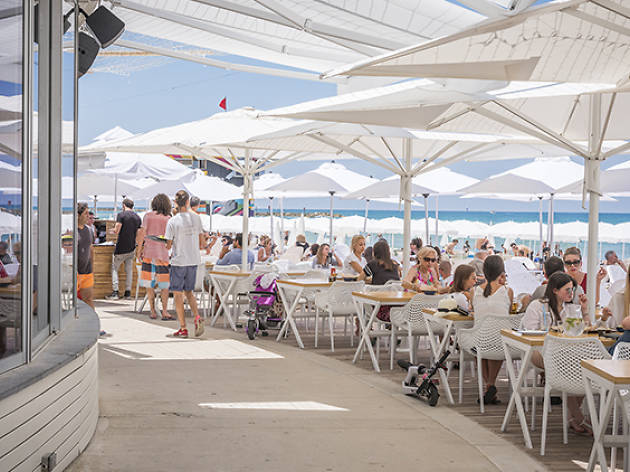
Take a break from the beach and enjoy the coastline portside on the bustling boardwalk of the Tel Aviv Port


©

While the Jaffa port has been around since the start, Tel Aviv has developed a newer northern attraction at the opposite end of the sandstrip. During the day, Namal Tel Aviv (the Tel Aviv Port) is surrounded by action: Tel-o-fun bikers on their way to Park HaYarkon, shoppers enjoying the outlet overload, families waiting in line for weekend brunch, and friendly fisherman catching their own. At night, the area’s hangars transform into Tel Aviv’s most happening nightlife scene, hosting crazy parties, community events, and all-night Jazz jams. Come see for yourself at the city’s trendiest hotspot.


Shopping, Markets and fairs
Indoor Port Market
Old North


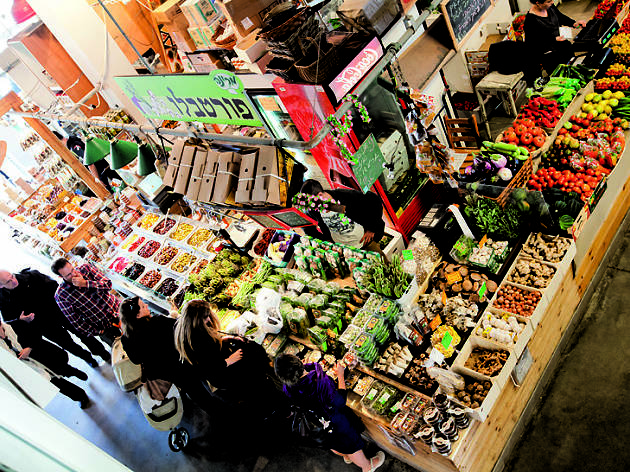
Like San Francisco’s Ferry Plaza and Barcelona’s Boqueria, Israel’s latest market is an indoor offering of the freshest ingredients peppered with live demonstration cooking stations and upscale, fresh food eateries. Be sure to indulge in the handmade pasta bar.
Read more



Theater, Performing arts space
Hangar 11
Old North


After years in the business and hundreds of performances by leading artists, Zeev Isaac had a vision. As one of the most prominent producers in Israel and internationally, he wanted to create a venue appropriate for all kinds of events, from cultural to private and business. Hangar 11 is the product of his dreams. With video projection and some of the most advanced sound and lighting systems in the Israel, the multi-disciplinary venue hosts a wealth of events year round. In addition, a well-trained staff provide meticulous service to create the perfect evening, no matter the occasion.


Attractions
Tel-O-Fun (Green Rental Bike)
Park HaYarkon


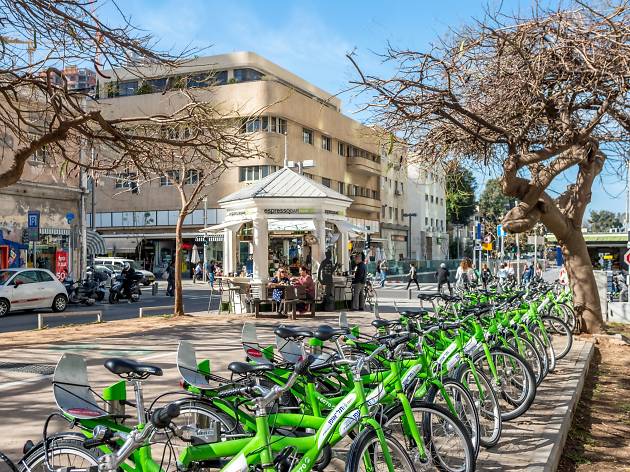
Ever dreamed of experiencing the chaotic roads like a true Tel Avivian? Well, now you can with these green machines. Tel-O-Fun bicycles are modern, safe, 3-speed bicycles located throughout Tel Aviv. The perks of this green energy alternative are that the user can purchase the bike for varying periods of time and can return the bike to any location in Tel Aviv. Not only that, after purchasing an extremely affordable day-pass, the first 30 minutes are free! As Tel Aviv is highly accessible by bike, the Tel-O-Fun program is an awesome way to explore the city while living like a local. From day to week passes, this ingenious program grants you the freedom and fun of having a bike without the worry of bike theft. So grab one of the signature green bikes and ride along Tel Aviv’s warm and stunning coastline over to Park Hayarkon for an afternoon of exploring.


Restaurants, Mediterranean
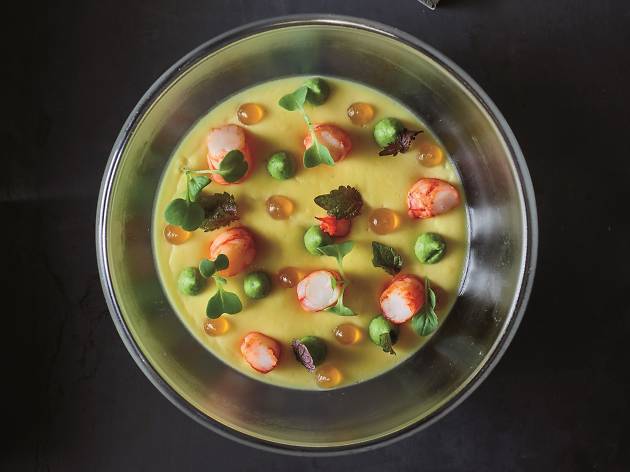
Kitchen Market
Tel Aviv Port


Located in the Tel Aviv port's indoor market, Kitchen Market offers gorgeous views of the water while dining on creative food with excellent ingredients, conveniently, from the market. Enjoy one of the top spots on the city here while indulging in contemporary Israeli food brimming with creativity. This is harmonious food that surprises and soothes at the same time.



Theater, Performing arts space
Beit HaYotzer (Tel Aviv Port)
Tel Aviv Port


Hangar 11’s got challah bakes, business affairs, and commercial events; Hangar 13’s got jazz and blues; Hangar 22’s got Beit HaYotzer. This small and intimate performing arts space is a hopping venue for the hottest musicians in town. Putting on concerts by international and local musicians, Hangar 22 sends music blasting through the port and into the waves of the Mediterranean all night long. Buy your tickets to the next show, head down to the port, and wait in line for a unique musical experience.
Read more



Shopping
Comme il faut
Tel Aviv - Jaffa

Comme il faut is comprised of a fashion house, women’s only spa, and chef's restaurant located at the Beit Banamal (Home in the Harbor) complex at Tel Aviv port, that offers a women's venue for culture and entertainment. Sybil Goldfiner founded the company together with Carole Godin 22 years ago, as a business by women for women. The company seeks to advance women in Israeli society by developing and cultivating feminist awareness. The approach that guides the company's activities is that a garment is not only a garment, but is also part of an entire gamut of political actions that are motivated by a cultural-critical worldview. The designers at comme Il faut believe that a piece of clothing truly resembles the way in which it was produced, the body image it carries, and the way we choose to advertise and display it. Moreover, the clothing article will always signify the values that inspired its creation.


Theater, Performing arts space
Reading 3
Tel Aviv Port


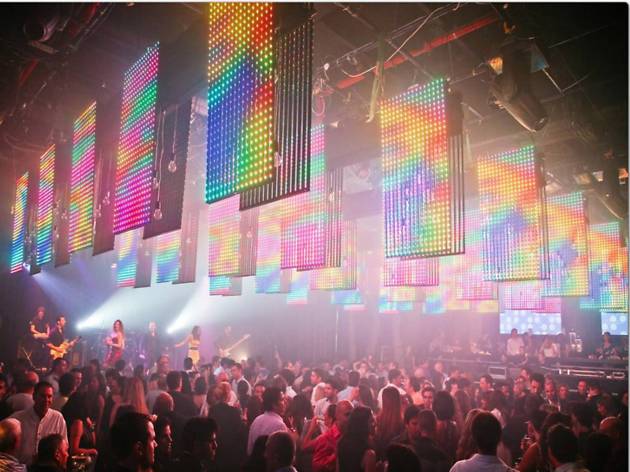
Get ready for bright lights, booming stereos, and 980 square meters of all-night fun. With the most advanced sound and lighting systems out there, Reading 3 is the perfect venue for local and international artists. On top of its three platforms, the space offers kosher catering and premium bar service fit for any occasion. Located in the bustling north Tel Aviv port, in just five short years, Reading 3 has risen to be a leading event space for private business events , launches and parties. Book your next gathering with the best in the industry for an experience you’ll be talking about for years.


Bars, Lounges
Shablul
Tel Aviv Port


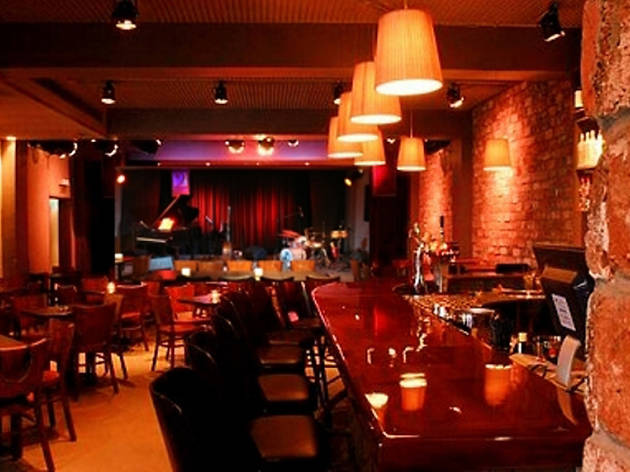
The same spot that reverberates with the exuberant tones of veteran jazz and blues artists like Lazer Lloyd, also resonates with the funk, ethno-jazz and hip-hop tapestry so many Tel Aviv musicians are known for. Grab a trumpet and toot your own horn because this little gem at the heart of Tel Aviv’s port is open seven days a week.


Art, Galleries
Art Market Tel Aviv
Tel Aviv Port

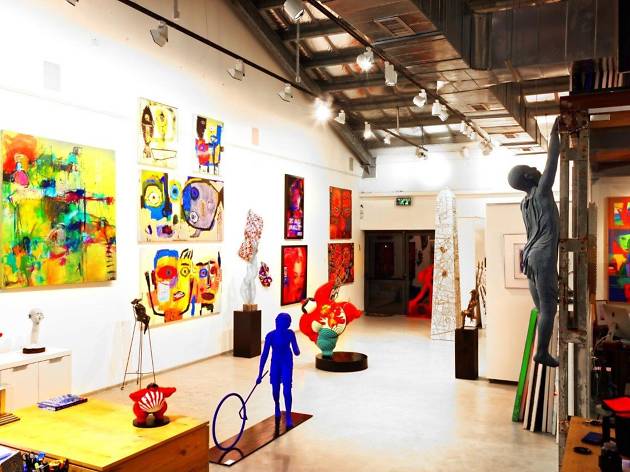
As you step inside the Art Market Tel Aviv’s colorful, spacious showroom, you’ll leave Tel Aviv and enter Soho, New York. The inviting gallery space in the Tel Aviv Port is part of the Bruno Art Group and nearly a century old. With an extensive collection including works by emerging and acclaimed artists, both Israeli and international, the gallery sells works at a wide range of prices, so you don’t need to be a mogul to pick up a piece for your living room.


10
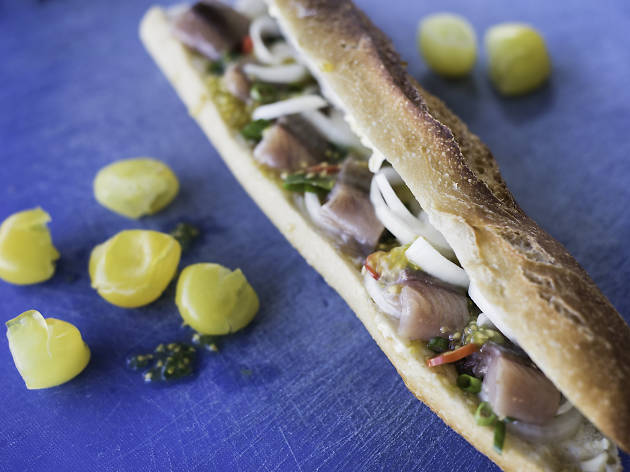
Restaurants, Seafood
Sherry Herring
Tel Aviv Port


Located in Shuk HaNamal, the Sherry Herring sandwich kiosk shares views of the beautiful Tel Aviv port. Chef Sherry Hansky crafts delicious creations in front of your eyes using local ingredients. Perfectly seasoned, golden baguettes envelop fresh fish, juicy vegetables, cream and butter at this gourmet sandwich shop. This ready-to-go meal is quick and tasty, offerIng a fresh take on fast food and making it the ideal stop for a lunch break - plus, it's rIght next to a wine shop, makIng it easy to craft the perfect picnic using the delicacies at Sherry Herring.


11
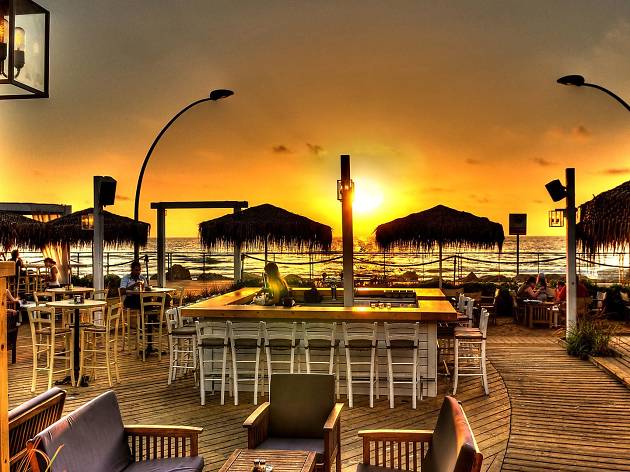
Bars, Cocktail bars
Shalvata
Tel Aviv Port


Overlooking the Mediterranean waters of Tel Aviv's Port, known to the locals as “The Namal,” this lush, chic and inviting open-plan bar is celebrated for its distinctive choice of beats amidst the bewitching sea breeze. Head down for an afternoon beer that will surely turn into an evening cocktail. Sunset to sunrise, Shalvata has you covered.

12
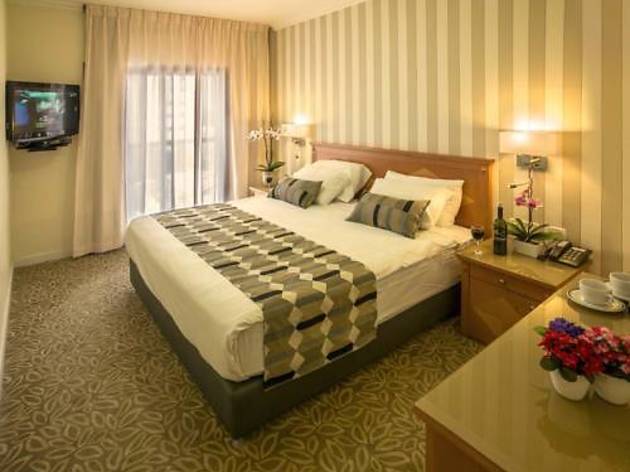
Hotels
Armon Hayarkon Hotel
Old North


Armon Hayarkon is just a few steps from Metzitzim Beach and a 5-minute walk from Tel Aviv's Namal nightlife district. It offers free Wi-Fi and wired internet.Guest rooms at the Armon Hayarkon Hotel are modern and spacious. Each comes with air conditioning and cable TV. Breakfast is a varied buffet.The hotel is located on Tel Aviv's exclusive Hayarkon Street, and the old port is just a few metres away. The area is full of restaurants and shops.


13
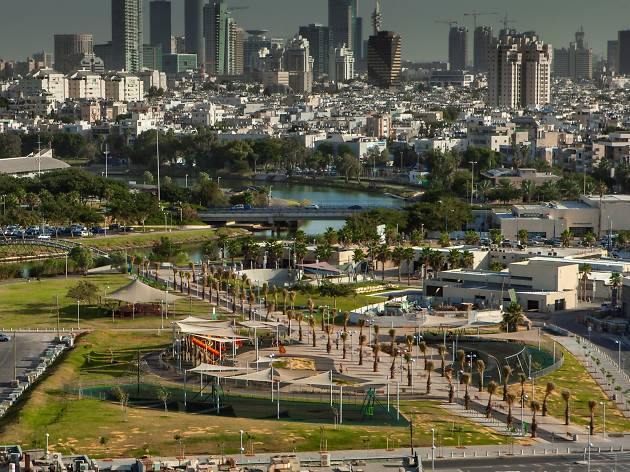
Attractions, Parks and gardens
Levant Fair
Tel Aviv Port


During its inception in 1932, Levant fair attracted six hundred thousand people, which was three times the population of the Jewish community in the country at that time. Unfortunately, during the second World War, it lost its glam and was neglected. However, in 2011, "Atarim" took the fair under its wing and began some much-needed rehabilitation, renewing the compound to a bustling cultural center for entertainment and commerce. Today, the compound is rife with designer boutiques, lifestyle shops, restaurants, cafés and even an amphitheatre for live performances. With plenty of shopping and activities, Levant Fair is back and better than ever.

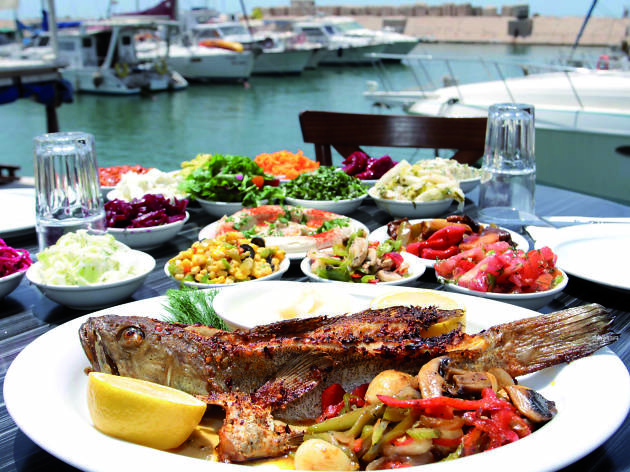
Ocean View Restaurants: Five of the Best in Tel Aviv

Five restaurants in Tel Aviv with oceanside views-Tel Aviv restaurants with the best seat in the house

There’s nothing like a good sea breeze (cocktail) to pair with those gentle Mediterranean winds


If there’s one thing tourists and locals alike can agree on, it’s that the beaches in Tel Aviv are one of the White City’s top attractions, and for good reason. From the Tel Aviv Port all the way down to Old Jaffa, the Mediterranean sandstrip embraces all walks of life...even dogs. Who said the fun had to end when the sun sets though? These five Tel Aviv restaurants sprinkled along the sea keep the good times rolling with sensual seafood, high class cuisine, and even Greek classics. With fantastic food and views to match, we’ll let you decide which of the two is more awe inspiring.


Manta Ray
Tel Aviv Beach


Put together an attractive beachfront location, fresh seafood prepared with a distinctly Mediterranean flavor, friendly but very efficient waiters and you have the winning combination that has made Manta Ray one of the most popular restaurants in Tel Aviv. Enjoy leisurely breakfasts, brunches, lunches or dinners in this stunning location. You won’t regret it.


Calypso TLV
Tel Aviv Beach


It seems like everywhere you look Omer Miller is popping up with a new eatery and now he’s at it again! Partnering with David Tor, the man behind the famous nightclub, The Cat and Dog, to bring Calypso, a traditional seafood tavern set against the backdrop of the majestic Mediterranean Sea. Fresh seafood dishes and wistful cocktails are presented through the night in a space where the sea meets the electrifying energy of the city’s nightlife.


Parakalo
Tel Aviv Beach


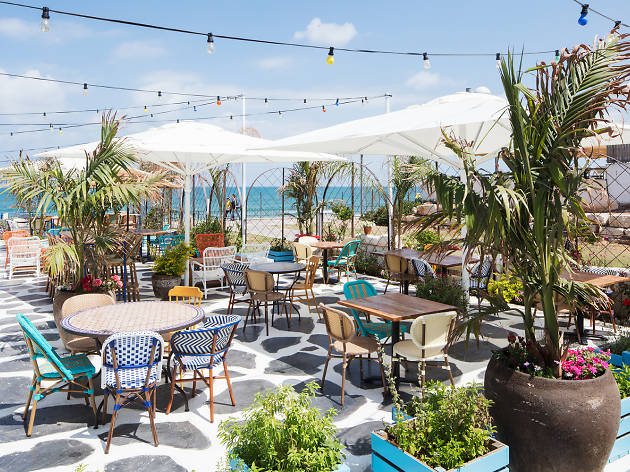
With a dreamy, eye-level view of the glittering Mediterranean and authentic fare, the new Greek taverna, Parakalo, is set to dominate the summer days and nights with its sprawling outdoor patio, freewheeling good vibes and colorful decor dripping in tasteful blue and white accents. Situated smack dab on the bustling beach promenade between Tel Aviv and Jaffa, the location could not be more ideal for a walk-by sit-down of spontaneous brunch, lunch, a drink and a snack or an all-out dinner and drinks scenario. The open-air atmosphere and the eccentric mural, painted by Israeli street artist Elna Oo of local graffiti collective Brothers of Light, are perfectly synchronized complements to dining in the summer breeze, carefree, and grubbing on great food. What’s more is the purely hospitable nature of the waitstaff and Jaffa-born and bred owners, Hany and Nelly Grably, who take the utmost care in making sure you are enjoying every last bite. Make sure to order a range of fresh fish and seafood options like rounds of calamari and plump shrimp doused with lemon and tangy herbs. Their signature Greek recipes are inspired by Hany’s childhood visits to Athens, and the mezze platters, punctuated by fresh tziziki sauce, ikra and homemade flatbread are all winners.


The Old Man and the Sea
Jaffa Port


Since branching out to the Jaffa Port, The Old Man and the Sea has become more than a meal, it is a complete theatrical scene. From waiters running around like whirling dervishes, to giant pitchers of fresh squeezed lemonade, and so many vibrant salads you won't even need a main course (though you must try the grilled chicken, fish and kebabs), a weekend brunch at the port is worth braving the long line. Don't fret, it moves fast, and the fare is worth it. While the inside is cool on a hot day, we suggest braving the heat and eating port-side for the full experience. Throw in warm oven baked pita bread, and complimentary coffee/tea and tiny balls of honey-glazed goodness for dessert, and you'll never want to leave

Kitchen Market
Tel Aviv Port


Located in the Tel Aviv Port’s indoor market, this market-to-table restaurant serves up seasonal dishes bursting with creativity. At Kitchen market, you can enjoy breathtaking views of the sea while indulging in some of the best contemporary Israeli food in the city. Handcrafted by artisanal chef Yossi Shitrit, the gourmet cuisine is harmonious, while each Mediterranean dish surprises and soothes at the same time.


Thursday, August 30, 2018

Best Desserts: Where to find them in Tel Aviv

A day-by-day guide to Tel Aviv's best desserts
Indulge in these seven desserts in Tel Aviv, one for each day of the week


Even in our wellness-obsessed world there comes a time when you have to throw caution to the wind and fall head first into a mouth-watering dessert that’s as high in calories as it is in delectable flavors. Let Tel Aviv prove its worth as more than just ice cream parlours and froyo. Bring on the sugar high at these White City cafés, bars and restaurants with the tastiest Italian tiramisu, creamiest cheesecake and Israel's take on the famous British banofee pie. Though sharing is caring, you'll want these calory-rich desserts all for yourself.


A dessert a day keeps the doctors away


1© Meir Cohen

Restaurants, Cafés
"Sugar High" Sunday: Dallal Bakery
Neve Tzedek


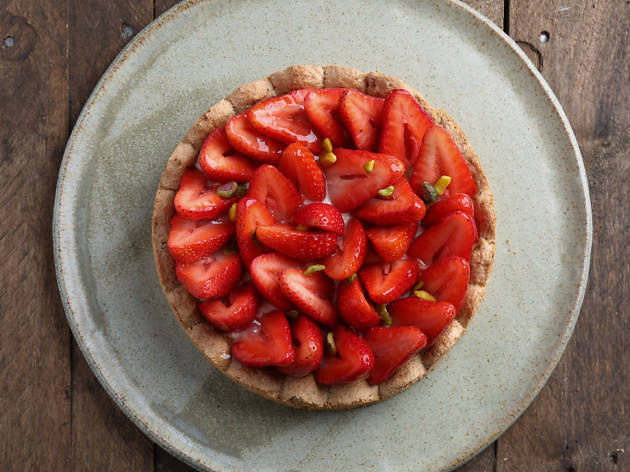
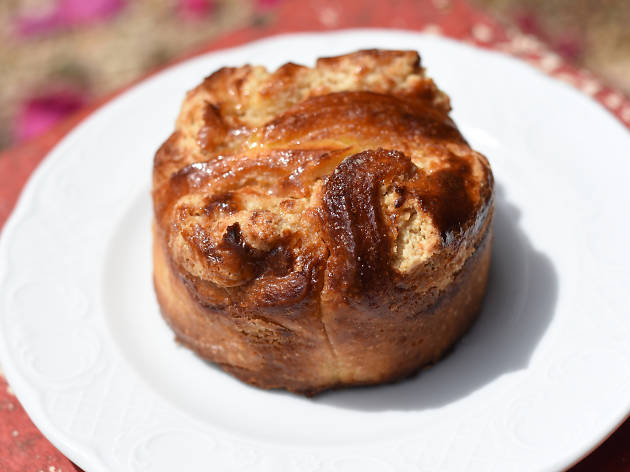
When only something sweet will do, French bakery Dallal is always your best bet. Their halva babka boasts a lightly nutty flavor in a brioche dough. Available in individual sizes and as a cake (which we would argue also constitutes an individual portion), ride the sugar high to recovery. Located in the enchanting Neve Tsedek neighborhood, this cozy bakery is known as one of the very best in town. Incredible French pastries with Israeli twists line the vitrine, boasting a selection of perfectly shaped eclairs, mini-size cakes and colorful sandwiches.


"Manjari" Monday: Blue Sky’s Manjari Bar


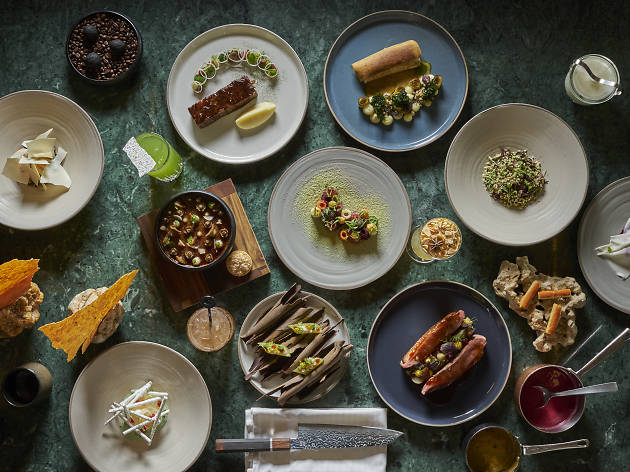
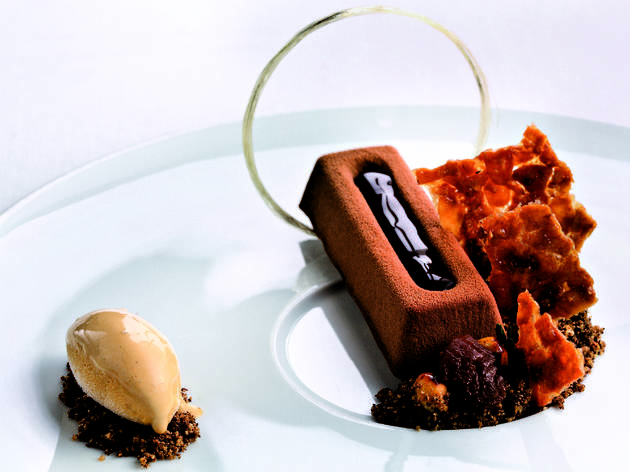
Meir Adoni (aka Israel’s answer to Jean Georges) is the force behind four of Tel Aviv’s most popular food establishments: Catit, Mizlala, Blue Sky and Lumina. It’s at Blue Sky, however, that you’ll find what is arguably his best dessert. The restaurant, located on top of the Carlton Hotel on the 15th floor, looks out onto Tel Aviv’s coastline on one side and onto the urban landscape of the city on the other side. While you can stop in for a full three course meal, Blue Sky also offers small plates and cocktails – or you can skip all that and just order the Manjari Bar (NIS 73). The multi-textured dessert consists of a Manjari chocolate bar, amarena sauce, amarena cherries financier, nuts crumble, almond tuile, cherries macaroon, caramelized hazelnut and tonke beans ice cream. It comes beautifully presented and it also happens to be kosher.

Manjari Bar ,Eliezer Peri St, Tel Aviv (03-5201830)

©

"Sweetart" Tuesday: Aria’s Passionfruit and White Chocolate Cake


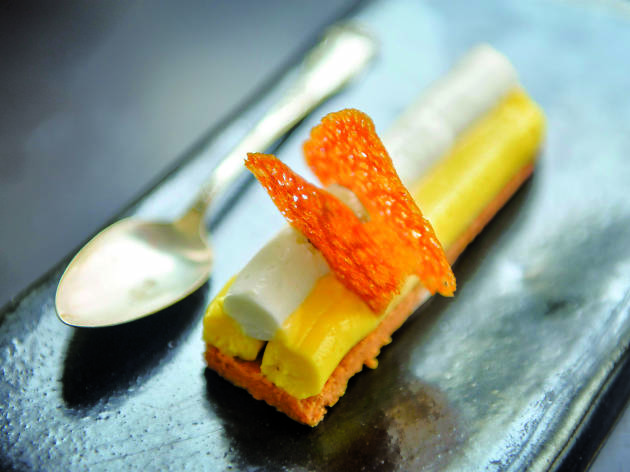
The great thing about Aria is that you can indulge in their passionfruit and white chocolate dessert (NIS 48) and then dance off all the calories at their downstairs bar/lounge. So what are you waiting for? The cake is made with slivers of passionfruit cream and white chocolate mousse, both of which comes served on hazelnut crunch and with slightly sour passionfruit sorbet.

Aria ,66 Nahalat Binyamin St, Tel Aviv (03-5296054)


"Macaron" Wednesday: Messa’s Exotic Dessert


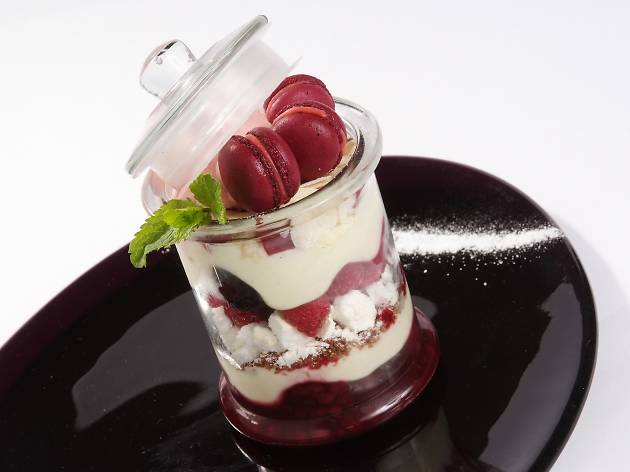
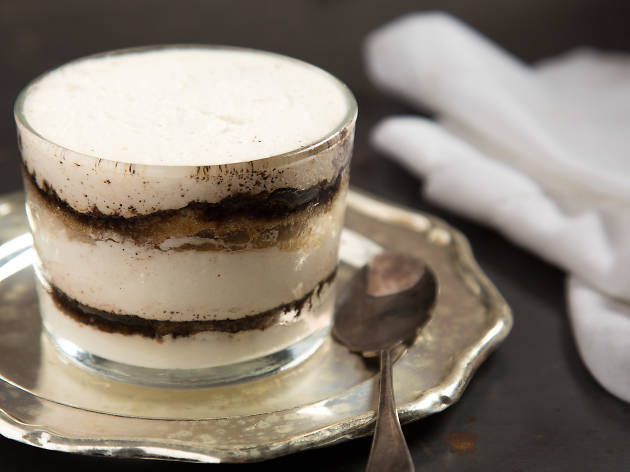
Messa’s signature dessert is a strawberry-macaron-cream dessert served in a mason jar. The fruit you see in this dessert is a bit misleading. This isn’t anything high in nutritional value. Note that the centerpiece of the eatery is a long, white central table with high-back chairs – stylish yes, but comfortable no. For comfort and privacy ask to be seated on one of the outlining tables when making your reservation and don’t forget to leave time to check out their adjoining bar/lounge.

Messa 19 HaArba’a St, Tel Aviv (03-6856859)


©

"Tiramisu" Thursday: Bakery’s Tiramisu


As far as tiramisu goes, there is a lot of competition in Israel. Ouzeria and Bindella Osteria put up a good fight, but ultimately the Bakery - part of the restaurant and hospitality group behind some of Israel’s most well-known establishments (think Hotel Montefiore, Coffee Bar and Brasserie) beat out the competition with their version of the classic dessert. They get brownie points for stocking it in two sizes (a small for one, NIS 26, or a large for six, NIS 140) and for selling it at both Delicatessen and their various Bakery locations. Expect layers of sponge cake soaked in coffee and amaretto liqueur, mascarpone cream and cream Zabaione. You won’t find a better version in Italy.

Delicatessen, 79 Yehuda HaLevi St, Tel Aviv (03-9681010); or Bakery, various locations in Tel Aviv.


©

"Cheesecake Factory" Friday: Café Europa’s Cheesecake


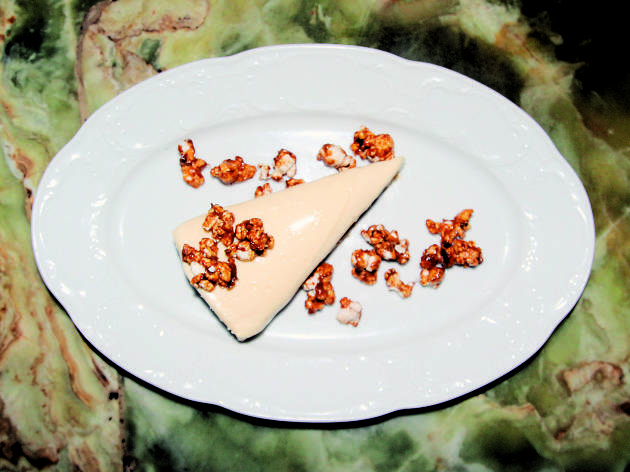
When a Tel Aviv restaurant can master a New York-style cheesecake you know they’re on to something. It should therefore come as no surprise that absolutely everything on Café Europa’s menu exceeds expectations. The only criticism – bigger portions, please! The menu is divided by prices with dishes ranging from NIS 32 to NIS 62. We suggest ordering up everything that catches your eye (remember portions are small, especially by Israeli standards) but make sure to leave room for one dessert, namely the aforementioned cheesecake (NIS 42). Served on its own, it would be a winning dessert, but adding caramelized popcorn and popcorn cream to their cheesecake makes this an exclamation point to any meal. Meanwhile, their churros, chocolate brioche, strawberry shortcake and lime-berry-cream dessert are all worth silver medals. Basically, arrive with a group and order everything on the menu.

Cheesecake Factory, 9 Rothschild Bvld, Tel Aviv (03-5259987)


©

"Sorbet Soup" Saturday: Pastel’s Floating Island


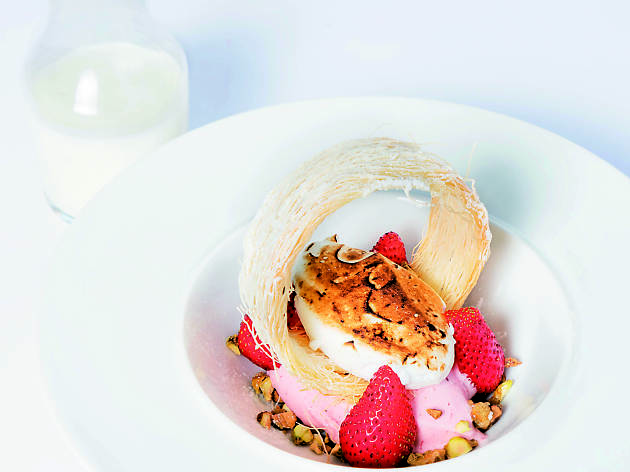
If you’re looking for a date spot or the kind of place where you could go with a big group and actually speak without shouting, Pastel is a fantastic option. It’s also sun-drenched, has ample outdoor space as well as an outdoor bar and has comfortable seating, which is important because after chowing down on the modern brasserie’s eats you’ll want to linger longer and order dessert. Namely their Floating Island (NIS 44), which is actually a combination of two classic desserts: one Mediterranean and the other western. It’s made up of strawberry sorbet, Amarena cherries, a soft and burnt meringue, kadaif and malabi soup. There’s an illusion of a floating island after the server pours the “soup,” which is spiced with rose water, once the dessert hits your table.

Pastel, 27 Sha’ul HaMelech St, Tel Aviv (03-6447441)

Jewish Food is disappearing from Tel Aviv Street . Replaced by International Cruisine

It was mid-May in Tel Aviv and the afternoon heat was rising. Sitting in Eva’s, a small un-air conditioned restaurant, eating chicken soup with kreplach (small dumplings filled with ground meat), sweat formed quickly behind the knees.

Eva’s has been located on this dumpy stretch of Allenby Street for 48 years. The menu is classic Ashkenazi – or Eastern European Jewish – food, and the glass display case is full of prepared potato latkes (pancakes) and fried cauliflower. The matzoh balls (soup dumplings) here are ‘sinkers’, in the common parlance. That means that they’re dense and bready, sitting in the bottom of the bowl of chicken soup. (‘Swimmers’ are lighter and spongier, and they float on the surface. The difference is a question of both skill and personal preference.)


Allenby Street in Tel Aviv is home to the Jewish restaurant Eva’s (Credit: M.Sobreira/Alamy)

There were three separate tables of single men in their 70s, one of whom was completing a crossword while working away at a large chicken schnitzel. Business was otherwise quiet. “This is not food for young people,” said proprietor Eva Schachter, whose family is originally German. “It’s grandma food. I’m old enough to remember the taste of the food my mother and grandmother used to make.” Eva smiled, her freckled and deeply wrinkled face framed by a gamine haircut.

One of the biggest shocks for many foreign visitors to Israel is the lack of Ashkenazi Jewish cuisine with which they are familiar. Where are the smoked salmon, bagels and cream cheese at breakfast? What about the delis that define 'Jewish cuisine' from Montreal to Los Angeles? Or the kugel (a casserole made from egg noodles or potato), gefilte fish (an appetizer made from poached fish) and matzoh ball soup served at Jewish tables around the world? Time Out Tel Aviv even has a section entitled ‘Where to find the best Jewish food in Tel Aviv’, and the few cafes that do sell Ashkenazi food (like Eva’s) typically emblazon their menus and awnings with the label ‘Jewish food’, something you would never see at a neighbourhood shawarma joint. These are strong indicators of just how spare this kind of cuisine is here.


Potato pancakes called ‘latkes’ are a staple in Jewish cooking (Credit: Owen Franken/Getty Images)


In reality, Israeli cuisine has long been more closely associated with its immediate environment, a fusion of Mediterranean and Middle Eastern traditions and ingredients. The early Zionists eagerly adopted Arab dishes, such as falafel, hummus, and shawarma, while in recent years Israelis have developed a more diversified palate. Still, ‘Jewish food’ remains scarce. But very few visitors know the reasons behind the dearth of it in Israel: despite the fact that many Jews living in Israel can trace their lineage to Eastern Euripe, they forsook traditional Ashkenazi food both because of scarcity but also in deliberate service to the formation of a new national narrative.

Israeli cuisine has long been more closely associated with its immediate environment

Unlike the relative prosperity of the US, where the deli – which specialises in preserved meats – flourished with the arrival of Jewish immigrants from Europe, the early years of Jewish statehood were marked by austerity. For the first decade following the formation of the state in 1948, the Israeli government imposed rationing on its rapidly growing population. Dwindling foreign currency made imported staples like oil, sugar and meat scarce. Fuel, such as natural gas and electricity, was also in short supply; bagels, which require an extra step of boiling before being baked, were too energy-intensive. The population instead made due with extra helpings of aubergine, which grew in abundance, and spawned such dishes as sabich, a pita sandwich overstuffed with the meaty vegetable.


Meat was scarce in the early years of Jewish statehood, so aubergine became a go-to ingredient

Even after austerity ended, the Levantine environment was never quite suited to Ashkenazi cuisine. Cattle, a necessary first step for a pastrami-on-rye or braised brisket, originally failed to flourish in the hot climate. But Ashkenazi food always consisted of more than a deli sandwich, so austerity alone cannot explain its failure to thrive in the new Jewish state – and that’s where ideology comes into play.

Early adherents to the Zionist project, committed to creating a Jewish state in the territory now known as Israel, sought to abandon vestiges of their past. Just as the European settlers favoured Hebrew over Yiddish and khakis over frock coats and homburgs, they also purposefully chose to eat indigenous foods over Ashkenazi ones. “Many of the first Ashkenazi Jews who came here, the ideological pioneers, were interested in cutting off their roots from the past and emphasizing the newness of the Zionist project,” explained Shaul Stampfer, professor of Soviet and East European Jewry at the Hebrew University of Jerusalem. “One of the ways of doing that [was] through the food.”


The earliest Zionist settlers promoted the creation of a unified food culture (Credit: Stuart Freedman/Getty Images)

The adoption of indigenous food lent the early European implants an air of authenticity. The production of local ingredients – the things that grew well in the desert and along the Mediterranean coastline, and the many dishes adapted from Arab kitchens – became part of the Zionist narrative. Advertisements at the time implored the population to eat locally grown ‘Hebrew watermelons’. The Jewish people had returned to Zion and had the diet to prove it.

The Jewish people had returned to Zion and had the diet to prove it

Later, as Jewish immigrants from Morocco to Ethiopia began piling in, each with their own unique style of cooking, the creation a national cuisine became ever more important. “They were grappling with people from different cultures and traditions and it was a challenge to convince them that they belonged together,” said Yael Raviv, author of Falafel Nation: Cuisine and the Making of National Identity in Israel. “They had to use everything and anything to forge this unified nation. Food is so tied to Jewish heritage, laws of kashrut [kosher dietary rules], and the Israeli economy is really driven by agriculture – so it became a very effective tool because it could be used in these various ways.”


Early Zionists adopted Palestinian dishes such as falafel (Credit: Photostock Israel/Getty Images)

The earliest Zionist settlers, most of whom were Ashkenazi, proved willing participants in the building of this unified food culture. “The early immigrants were very committed to making a new life in the land of Palestine,” said Raviv. “That gave them a high degree of motivation to leave behind certain things and embrace new things.” And Raviv noted that there was a certain pragmatism to this attitude: “If you can’t get something, you have to learn to live without it.”

In recent years, Israelis have developed a more diversified palate, with Thai and Mexican restaurants easy to find on the streets of Tel Aviv. Still, Ashkenazi food remains scarce. Several delicatessens have tried to break into the Israeli market – though the training wheels are still on. One of the more successful entrants, Deli Fleishman, describes their sandwiches as a ‘Jewish taste for the Jewish state’ – although their ‘Brooklyn’ sandwich inexplicably contains Argentinian-style chimichurri and is a far cry from New York’s famous Katz’s Deli. “Smoking and fermenting are a real skill,” said Israeli chef Michael Solomonov, the James Beard Award-winning chef behind Philadelphia’s Zahav restaurant. “Only recently have Jewish Americans come to Israel and started making pastrami.”


Only recently have Jewish Americans brought pastrami to Israel (Credit: Boston Globe/Getty Images)

Still, some more traditional elements of Ashkenazi cuisine have had greater success. As part of the nouveau Israeli food movement, which is synthesizing diaspora Jewish traditions from around the world, there’s a renewed interest in North American and European contributions. Classic European Jewish fare like chopped liver is starting to work its way onto fusion menus at high-end restaurants alongside more local ingredients like pomegranates and avocados. At Raz Rahav’s OCD restaurant in Tel Aviv, kasha (puffed buckwheat groats) mingle with trout sashimi and caper aioli. Solomonov has great hopes for the resurgence of this culinary tradition.


Thursday, July 19, 2018

Mornay Sauce , its history and a recipe by the Bard of Bat Yam, Poet Laureate of Zion, Stephen Darori


Related image


A Mornay Sauce is a béchamel sauce with shredded or grated Gruyère cheese added. Some variations use different combinations of Gruyère, Emmental cheese, or white Cheddar. A Mornay sauce made with cheddar is commonly used to make macaroni and cheese.

Etymology

The name origin of Mornay sauce is debated. It may be named after Philippe, duc de Mornay (1549–1623), Governor of Saumur and seigneur du Plessis-Marly, writer and diplomat, but a cheese sauce during this time would have to have been based on a velouté sauce, for Béchamel had not yet been developed.

Sauce Mornay does not appear in Le cuisinier Royal, 10th edition, 1820. Perhaps sauce Mornay is not older than the great Parisian restaurant of the 19th century, Le Grand Véfour in the arcades of the Palais-Royal, where sauce Mornaywas introduced.

In the Tout-Paris of Charles X, the Mornay name was represented by two stylish men, the marquis de Mornay and his brother, styled comte Charles. They figure in Lady Blessington's memoir of a stay in Paris in 1828–29, The Idler in France. They might also be considered, when an eponym is sought for sauce Mornay.

Sauces in French cuisine date back to the Middle Ages. There were many hundreds of sauces in the culinary repertoire. In cuisine classique (roughly from the end of the 19th century until the advent of nouvelle cuisine in the 1980s), sauces were a major defining characteristic of French cuisine.

In the early 19th century, the chef Marie-Antoine Carême created an extensive list of sauces, many of which were original recipes. It is unknown how many sauces Carême is responsible for, but it is estimated to be in the hundreds. The cream sauce, in its most popular form around the world, was concurrently created by another chef, Dennis Leblanc, working in the same kitchen as Carême.Carême considered the four grandes sauces to be espagnole, velouté, allemande, and béchamel, from which a large variety of petites sauces could be composed.

In the early 20th century, the chef Auguste Escoffier refined Carême's list of basic sauces in the four editions of his classic Le Guide Culinaire and its abridged English translation A Guide to Modern Cookery. He dropped allemande as he considered it a variation of velouté, and added hollandaise and sauce tomate, defining the five fundamental "mother sauces" still used today:

  1. Sauce béchamel, milk-based sauce, thickened with a white roux 
  2. Sauce espagnole, a fortified brown veal stock sauce, thickened with a brown roux 
  3. Sauce velouté, light stock-based sauce, thickened with a roux or a liaison, a mixture of egg yolks and cream 
  4. Sauce hollandaise, an emulsion of egg yolk, butter and lemon (or vinegar) 
  5. Sauce tomate, tomato-based
A sauce which is derived from one of the mother sauces by augmenting with additional ingredients is sometimes called a "daughter sauce" or "secondary sauce".Most sauces commonly used in classical cuisine are daughter sauces. For example, béchamel can be made into Mornay by the addition of grated cheese, and espagnole becomes bordelaise with the addition of reduction of red wine, shallots, and poached beef marrow.


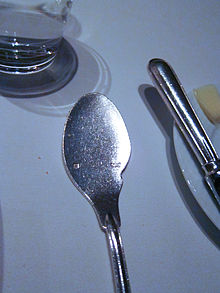
A specialized implement, the French sauce spoon, was introduced in the mid-20th century to aid in eating sauce in French cuisine, enjoying increasing popularity at high-end restaurants.

White Sauce or Bechamel Sauce Recipe

This used to be one of the first lessons in home economics classes; invariably white and pasty, it coated many a bland dish. When well made, however, it has a proper place in homey, creamed dishes, often making leftovers stretch or giving cooked foods new life. And it is important as a base for soufflés. The French term for this medium-thick white sauce is béchamel. The foolproof way to attain a perfectly smooth sauce is to have the milk hot when added to the butter and flour. It uses an extra pot, but as you become more proficient, this cautionary measure may not be necessary.

YIELD Makes about 1 cup

INGREDIENTS

2 tablespoons butter
2 tablespoons flour
1 1/4 cups milk, heated
Salt
Freshly ground pepper


PREPARATION

  1. Melt the butter in a heavy-bottomed saucepan. Stir in the flour and cook, stirring constantly, until the paste cooks and bubbles a bit, but don't let it brown — about 2 minutes. Add the hot milk, continuing to stir as the sauce thickens. Bring it to a boil. Add salt and pepper to taste, lower the heat, and cook, stirring for 2 to 3 minutes more. Remove from the heat. To cool this sauce for later use, cover it with wax paper or pour a film of milk over it to prevent a skin from forming.
  2. Cheese Sauce.
  3. Stir in 1/2 cup grated Cheddar cheese during the last 2 minutes of cooking, along with a pinch of cayenne pepper.

How hot should the milk be?
Warm the milk on low heat just until little bubbles begin to form at the edges. Then remove from heat.


Friday, March 23, 2018

Soupe a l'oignon (French onion soup) ,,, a recipe by the Bard of Bat Yam (#BardOfBatYam) , Poet Laureate Of Zion ( #PoetLaureateOfZion) and Stephen Darori (#stephendarori, @stephendarori,#stephendrus)

The French, without doubt, makes the best onion soup in the world: it is a perfect combination of smooth textures and flavours.
While every region and bistro across France has its own version of this classic dish, very few non-French restaurants seem to be able to make a decent bowl of French onion soup.
We cannot understand why, because it is a simple enough dish to prepare at home, as we do on cold and wet winter nights (that is, frequently).
This excellent recipe for French onion soup, from Fran Ward’s lovely cookbook "New Bistro", is the best we’ve made in a very long time. For the best results, use a good table wine, high-quality, low-salt beef stock, and a baguette (French bread stick). Enjoy!
Serves 4.

Ingredients

  • 1 tablespoon (15 ml) olive oil
  • 6 large onions, finely sliced
  • 2 cloves of garlic, crushed
  • 3 tablespoons (45 ml or approximately 25 gram) flour
  • 750 ml (3 cups) beef stock
  • 250 ml (1 cup) red wine
  • Sea salt and freshly ground pepper
  • 16 slices of French bread, each about 2 cm thick
  • 100 gram grated cheese (Gruyere, or a good cheddar)

Method

  1. Sauté the onions and garlic very gently in a saucepan, over medium heat, for 30 minutes.
  2. Increase the heat and sauté for a further 5 minutes to colour the onions, but be very careful not to burn it.
  3. Sprinkle the flour over the onions and mix in well.
  4. Slowly pour in the stock while stirring gently. The flour should dissolve completely.
  5. Add wine and season with salt and freshly ground pepper. You might not even need the extra seasoning, depending on the quality of the stock and wine
  6. Bring to the boil, reduce the heat, cover and leave to simmer for at least an hour, stirring from time to time
  7. Toast the bread on one side under the grill.
  8. Ladle the soup into oven-proof soup bowls and top each bowl with four slices of bread, toasted side down.
  9. Top each with grated cheese and grill until the cheese is melted and bubbly.

Thursday, March 22, 2018

Fridge Tart ( no bake) ...a recipe from the Bard Of Bat Yam (#BardOfBatYam), Poet Laureate Of Zion (#PoetLaureatOf Zion) and Stephen Darori(@Stephendarori, #Stephendarori, #stephenDrus)


Quick and easy

Ingredients:

1 (128 g) packet lemon jelly (usually to make up to 570ml or 1 pint jelly)
1 (405 g) can condensed milk
500 g yogurt, your chosen flavour
10 digestive biscuits or 10 graham crackers
1 tablespoon butter or 1 tablespoon margarine, melted

Directions:

1 Crush the biscuits- I put them in a plastic bag and crush with a rolling pin.
2 Add the melted butter, mix well and press hard into the bottom of your pie dish.
3 Refrigerate for 1 hour.
4 Make up the jelly packet with only HALF the liquid (to make about 285ml jelly).
5 Add the condensed milk FIRST and stir.
6 Add the yoghurt and stir. 
7 Pour onto the chilled biscuit base and refrigerate immediately for 1 hour.
8 Decorate if desired.
9 You can double the mix by using gelatine, mixed with half the recommended water, a 300g carton of cream cheese and another 500g yogurt.

Amarula Chocolate Cheese Cake, a variant on Fay Baker Drus;s famous cheese cakes by the Bard of Bat Yam(#BArdOfBatYam), Poet LaureateOf Zion (#PoetLaureateOfZion) and Stephen Darori ( @stephendarori, #Stephendarori,#Stephendrus )


Amarula Chocolate cheese Cake

Ingredients

  • 100g/3½oz butter
  • 250g/8¾oz digestive biscuits, crushed
  • 600g/1lb 5oz Philadelphia cream cheese
  • 25ml/1fl oz Amarula Cream
  • 100ml/3½oz icing sugar
  • 300ml/10½oz double cream, whipped
  • 100g/3½oz grated chocolate
To garnish
  • 200ml/7¼oz double cream, whipped
  • cocoa powder, to dust

Preparation method

  1. Melt the butter in a pan and add the crushed digestive biscuits. Mix well until the biscuits have absorbed all the butter.
  2. Remove from the heat and press into the bottom of a lined 18cm/7in springform tin. Place in the refrigerator and allow to set for one hour.
  3. Meanwhile, prepare the filling. Lightly whip the cream cheese then beat in the Amarula and icing sugar. Fold in the whipped cream and grated chocolate. When smooth, spoon evenly onto the biscuits.
  4. Refrigerate and allow to set for a further two hours. Once set, remove and decorate with whipped cream and cocoa powder dusted over the top. Serve.

Tuesday, March 20, 2018

A quick review Russian, Latvian, Lithuanan and Polish Jewish Cruisine by the Bard of Bat Yam (#BardOfBatYam), Poet Laureate of Zion (#PoetLaureateOfZion) and Stephen Darori


Polish and Russian-Jewish Cuisine

From the 13th century, Jews in flight from France, Italy and Germany were moving into Poland, which already had some Jewish communities, mainly from Byzantium. By the 16th and 17th centuries they moved in great masses at the invitation of the king of Poland. At first they lived under the king’s protection in the royal cities of Cracow, Poznan, and Lemberg.

But by the end of the 17th century, faced with the hostility of the townspeople and of the Church, they moved to the provinces of Galicia, Lithuania and Ukraine, where the Polish nobility (Jews called them Poretz) invited them to manage their agricultural lands and to settle in the shtetl — the new towns built on their demesnes. The nobles leased the Jews flour mills, dairy‑processing plants and taverns, and gave them exclusive rights to brew vodka and schnapps. They allowed them to farm fish in ponds, especially pike and carp, which became associated with Jewish foods. But the masses remained very poor, on the verge of starvation, limited by restrictions and prohibitions, and in constant fear of attacks by the peasantry and Cossacks.


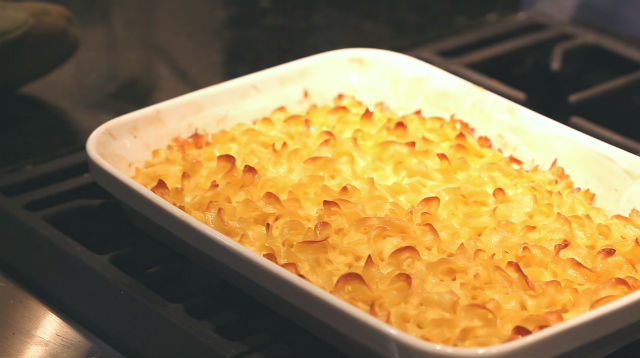
When Poland was partitioned three times at the end of the 18th century and its territories were annexed by Russia, Prussia and Austria, the Jews in these territories became subjects of three different crowns. It was in this way, and also with the heavy migrations of Jews from Poland into neighboring countries, that the foods of the shtetl — including those that originated in Germany, such as challah bread, gefilte fish, chopped liver, and lukshen pudding (noodle kugel) —were transported all over Eastern Europe, together with the social structures (large families, men devoted to religious studies, women earning the family living) and the culture based on the Yiddish vernacular and German rabbinic traditions.

In 1772, when the Polish territories of Ukraine, Lithuania, Courland (now in Latvia), and Belorussia were annexed by Russia, the great Jewish masses living in those territories became Russian subjects under the rule of the czars (before that, Jews had not been allowed to live in Russia). In this way Russian Jewry was a continuation of Polish Jewry It came to represent the largest Jewish community in the world, and was the stronghold of the Ashkenazi culture.

In the beginning in Russia, as in Poland, the Jews had represented a kind of middle class between landowning aristocracy and peasantry. Many earned their living from leasing flour mills, inns, and taverns, and managing estates and forests. They were also craftsmen, shop­keepers, and hawkers, and their shoestring enterprises included making and selling soda water (seltzer) and shoe wax, syrup, pretzels, goose fat and pickles. But their position deteriorated. They were confined, by Catherine the Great, to restricted areas in the Pale of Settlement (former Polish territories) and lived in a state of disen­franchisement and poverty under the constant threat of pogroms. Permission to live outside the confines of the Pale was granted only to cer­tain groups, such as professionals and wealthy businessmen.


By the middle of the 19th century, Jewish society in Eastern Europe and Russia was transformed. With the growth of capitalism and the modernization of society, a Jewish proletariat and bourgeoisie had emerged in the cities. There were Jews of great wealth in St. Petersburg, Moscow, Kiev and Odessa, and in Cracow and Warsaw. Some went into the sugar and flour industries, into soda‑water and beer brewing, and into the salted‑and‑pickled‑herring trade, importing their fish from Scotland, England, Norway and Holland. Jewish dairies produced sour milk and curd cheese. Almost the entire grain trade of the northwestern provinces was in Jewish hands.

The cooking traditions adopted in the different provinces of Poland and Russia were not all that different from each other, because most of the regions shared the same ingredients and predilections, notably a taste for carp and salt herring, sausages and sauer­kraut. They all had heavy dark and rye bread, they all made cucumber pickles, chicken soup, thick bean and lentil soups, pancakes and dumplings, and also sweet noodle puddings. They all used sour cream, dill, caraway, and poppy seed.

The severe winter climate had en­forced a reliance on grains such as barley, millet and buckwheat, and on root vegetables and cabbage. The abundance of fruits — there were apples, pears, plums, cherries, gooseberries, cur­rants, and raspberries — meant that they were used in everything from soups and sauces to pancakes, compotes, cakes, and pastries, and also as accompaniments to meat and poultry. Potatoes from the New World, which were rejected at first by the famished peasantry, became the best­ loved staple in the late 18th century. In the 19th century, many impoverished commu­nities survived on bread, onions and potatoes. But each region did have its specialties and its special touches.


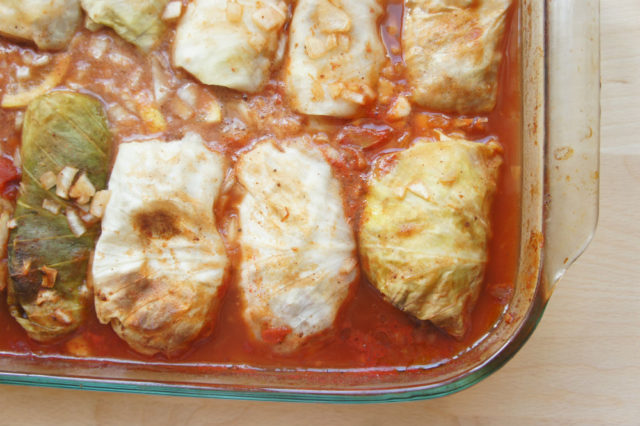
In Poland, Jews acquired a taste for sweetish foods. They used sugar with pickled herring and with vegetables such as carrots, turnips, and cab­bage. It was there that they developed some of their most famous dishes, including fish with raisin sauce and the sweet version of gefilte fish with chrain — a red sauce made with grated horseradish and beet juice that counterbalances the sweetness of the fish. The Polish heritage in­cludes cabbage leaves stuffed with rice; bagels, the famous ring breads that are first boiled, then baked; and the bialy, a bread roll covered with onion, which is named after the city of Bia­lystok; slivovitz (plum brandy) and the habit of drinking wine with brandy and honey.

Lithuanian Jews, like their coreligionists in northern Poland, put very little sugar in their food and used a lot of pepper. Sour foods, such as iced beet soup, sorrel soup with lemon and sour cream, and fermented pickled cabbage, were most common in Lithuania, as was meat cooked with prunes. The areas near the Baltic Sea were famous for curing and pickling fish in the Scandinavian style. Ukraine and Russia generally were strong on beet soups, on grain—especially kasha (buckwheat)—on curd cheese and sour cream. Blini (buckwheat pancakes) and knishes (potato‑and‑buckwheat pies), pirogi, piroshki, and baranki (sour‑cream‑dough cakes with poppy seed) were staples. The grander days of the Jewish elites in Eastern European communities brought the zakuski—spreads of small cold and hot dishes with which Russians and Poles began formal meals.

Monday, March 19, 2018

Charoset Recipes... simple recipes for the Passover by the Bard Of Bat Yam (#BardOfBat Yam) , Poet Laureate Of Zion (#PoetLaureateOfZion) and Stephen Darori


Charoset, haroset, or charoses (Hebrew: חֲרֽוֹסֶת‬ [ḥărōset]) is a sweet, dark-colored paste made of fruits and nuts eaten at the Passover Seder. Its color and texture are meant to recall mortar (or mud used to make adobe bricks) which the Israelites used when they were enslaved in Ancient Egypt as mentioned in Tractate Pesahim (page 116a) of the Talmud, which says " The word "charoset" comes from the Hebrew word cheres — חרס — "clay."

Charoset is one of the symbolic foods on the Passover Seder Plate. After reciting the blessings, and eating a matzah "Hillel sandwich"(with two matzot) combining charoset and maror, the remainder is often eaten plain, spread on matzah.

History
Charoset is mentioned in the Mishna in connection with the items placed on the Passover table: "unleavened bread and lettuce and charoset." Some say it can be traced back to the custom of symposia in ancient Greece, where philosophical discussions were accompanied by drinking large quantities of wine and consuming foods dipped into mixtures of pounded nuts and spices.

Variations
There are many recipes for charoset. Many include at least some of the fruits and spices mentioned in the Song of Songs: apples 2-3, figs 2-13, pomegranates 4-3, grapes 2-15, walnuts 6-11, dates 7-7 with the addition of wine 1-2, saffron 4-14 and cinnamon 4-14. 

Ashkenazi traditions
Eastern European (or Ashkenazi) charoset is made from chopped walnuts and apples, spiced with cinnamon and sweet red wine. Honey or sugar may be added as a sweetener and binder. The mixture is not cooked. Many Ashkenazim refer to any charoset that includes fruit other than apples as "[name of fruit] charoset" as they do not consider it to be "charoset" in a strict sense.

Sephardi traditions
Sephardi charoset is a paste made of raisins, figs and dates.

Egyptian Jews make it from dates, raisins, walnuts, cinnamon, and sweet wine.

Greek and Turkish Jews use apples, dates, chopped almonds, and wine. Italian Jews add chestnuts.

Some Spanish and Portuguese communities such as the Jews of Suriname, add coconut.

Yemenite tradition
Yihye Bashiri (17th-century) described the manner in which the charoset was made in Yemen: "They take figs or raisins or dates, and pound them into the consistency of dough. They then put vinegar thereto, and add spices. Some there are who put ground sesame seeds into this admixture. On the night of the Passover, a person is required to put therein whole spices that have not been ground; either two or three seeds of valerian (Arabic: sunbul), or sprigs of marjoram [alternatively: wild thyme ] (Arabic: za'tar), or savory (Arabic: hasha), or things similar to them, so that it will resemble straw in mortar – in remembrance of that thing by which our fathers were enslaved in Egypt, seeing that it is like unto bricks and straw." In Yemenite Jewish tradition, the charoset is also called "dukeh" (Hebrew: דוכה‬), a name also referred to as such in the Jerusalem Talmud.

Mizrahi traditions
Not all Jews use the term "charoset". Some of the Jews of the Middle East instead use the term "halegh". The origin of halegh is not clear. Rav Saadia Gaon uses the word and attributes it to a kind of walnut that was a mandatory ingredient in the preparation of the halegh.

Parts of the Jewish Diaspora in Iran have a tradition of including forty different ingredients in the halegh. The number forty signifies the forty years of wandering in the desert.

Modern variations
In 2015 Ben & Jerry's Charoset ice cream became widely available in Israel and was covered in several major news outlets

Less than a week until Seder night means it’s definitely time to start thinking about the Seder plate foods, including charoset—a mixture of apples, nuts and wine which resembles the mortar and brick made by the Jews when they toiled for Pharaoh. This is used as a type of relish into which the maror (bitter herb) is dipped (and then shaken off) before eating.


The base of any charoset is sweet apple and/or pear, walnuts and red wine. Fruit—small dice, large dice or grated, that’s up to you. Nuts chopped or ground—again, up to you. It’s a matter of taste. Can’t decide? Make a few versions and have a vote.


Some people like to add dried fruit like raisins, dates, prunes or apricots, and spices like cinnamon, nutmeg, cloves or allspice. Desiccated coconut can add another layer of texture, and is a good alternative for the nut-allergic.


I’ve got four variations for you here, but feel free to play around and come up with your own.
Simple Chabad-Style Charoset


1 red apple
1 pear
1 cup chopped or ground walnuts
½ cup sweet red wine

Peel and finely dice the apple and pear. Mix in the ground nuts and wine. Refrigerate until serving. Add a little more wine immediately before serving.

Chunky Charoset


1 apple
1 pear
1 cup chopped or ground walnuts
½ cup raisins
½ cup sweet red wine
¼ tsp. cinnamon
¼ tsp. nutmeg

Peel and finely dice the apple and pear. Mix in the ground nuts, raisins, wine and spices. Refrigerate until serving. Add a little more wine immediately before serving.

Smooth Charoset


Use any of these recipes and pulse in a food processor until it reaches a thick paste consistency.

Nut-Free Charoset


1 apple
1 pear
1 cup desiccated coconut
½ cup raisins
½ cup sweet red wine

Peel and finely dice the apple and pear. Mix in the rest of the ingredients. Refrigerate until serving. Add a little more wine immediately before serving.


There’s one major “problem” with charoset—it’s customary to shake the charoset off the maror before eating, but the charoset is quite delicious! So, set some charoset aside in a separate container for later use. Mix it into your breakfast yogurt, or serve warm with a scoop of vanilla ice cream.


Play Video
Traditional Passover Charoset

0


BY MIRIAM SZOKOVSKI